10 hr
Douro Valley Wine & River Discovery from Porto
- Expert local guide
- Small group
- Skip-the-line access
- Free cancellation
Douro Valley Porto Wine Tour — Quinta Visits & River Terraces
Terraced vineyards carved over centuries, fortified wines poured at estate cellars
Compare fares, pick the fit — all bookings are mobile-voucher and eligible for free cancellation where shown.
10 hr
10 hr
10 hr
| Experience | Duration | Rating | Transfers | Skip-the-line | Guide | Small group | Price | |
|---|---|---|---|---|---|---|---|---|
|
Guided Experience
Most popular
Douro Valley Wine & River Discovery from Porto
|
10 hr | ★ 4.7 | ✓ | ✓ | ✓ | ✓ | €55 | Book → |
|
Guided Experience
Porto Wine Country Adventure: Douro & Vinho Verde with Lunch & Boat Tour
|
10 hr | ★ 4.9 | ✓ | ✓ | ✓ | ✓ | €80 | Book → |
|
Guided Experience
Douro Valley Wine Tour with River Cruise from Porto
|
10 hr | ★ 4.7 | ✓ | ✓ | ✓ | ✓ | €54 | Book → |
They complement each other, but most visitors who do both call the regional countryside trip the more immersive experience compared to urban cellar visits. Securing douro valley porto wine tour tickets provides a deeper connection to the source, whereas Gaia offers unmatched convenience for those short on time.
|
Top pick Douro Valley |
Gaia Cellars | |
|---|---|---|
| Travel effort | 2–3 hours each way | 15 minutes (walk or metro) |
| Scenery and environment | Rolling terraced vineyards | Industrial riverside historical district |
| Depth of viticulture knowledge | High (terroir and harvest focus) | High (aging and blending focus) |
| Total time investment | Full day | 1–2 hours |
| Proximity to Porto center | Remote region | Directly across the river |
| See tickets & prices |
Verdict: Choose the douro valley porto wine tour tours for authentic vineyard landscapes, or opt for Gaia cellar tours if you prefer immediate access to the aging process.
Hand-picked experiences loved by thousands of travelers
9 hours
Free Cancellation
Small-group expedition through UNESCO-protected vineyards with tastings, regional meal, and boat journey
9 hours
Free Cancellation
Sail the Douro on a private cruise, taste 11 wines at family estates, and enjoy a farm-fresh meal
8 to 9.5 hours
Free Cancellation
Discover Portugal's premier wine country through tastings at family estates, a river cruise, and vineyard dining
10 hours
Free Cancellation
Full-day wine journey through two renowned regions with expert-led tastings and scenic boat ride
7 hours
Free Cancellation
Full-day exploration of Portugal's wine country with tastings, river cruise, and historic town visit
10 hours
Free Cancellation
Discover Portugal's premier wine country through tastings at three distinct estates and a traditional meal
10 hours
Free Cancellation
Discover Portugal's legendary wine country on an intimate small-group journey through terraced vineyards
7 hours
Free Cancellation
Discover Portugal's wine country by boat, rail, and road with lunch and tastings included
This landmark is famous for its accessible location and historic Dow's Port range. Visitors can tour the vineyards and learn about the Symington family's long history in the valley.
Perched above the river, this estate is known for its award-winning table wines. The property features a historic chapel and dramatic views of the schist hillsides.
This site offers a complete visitor experience with a wine shop, restaurant, and luxury lodging. It is one of the few places with a dedicated museum space for visitors.
This intimate estate focuses on organic viticulture and small-group experiences. It is known for its 18th-century tasting room overlooking the water.
Known for its 24 azulejo panels, this is a central stop for visitors using the Linha do Douro. The tiles depict the traditional winemaking harvest cycle.
You depart Porto at nine in the morning, when the N222 highway carries light traffic and the river mist still clings to the lower terraces.
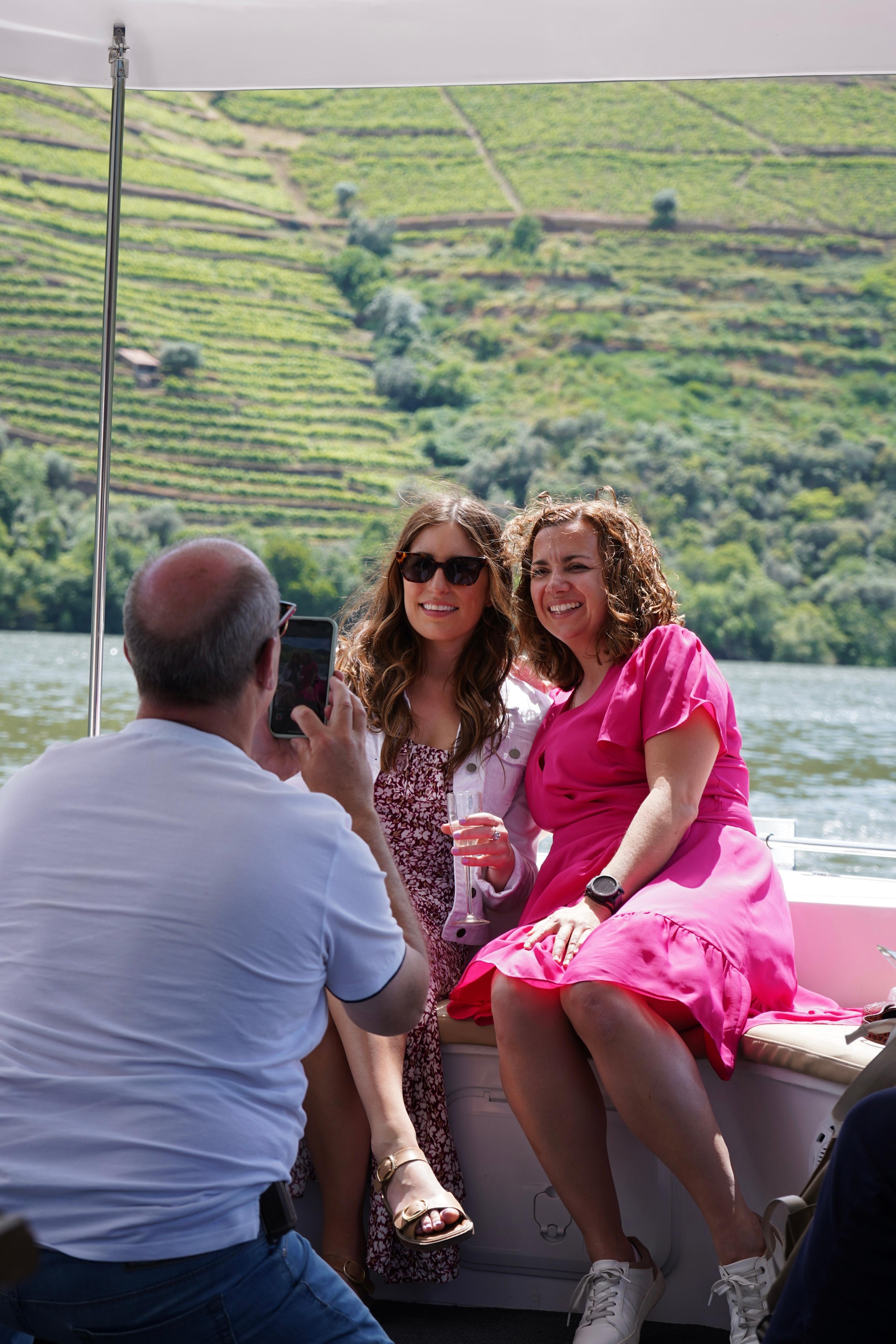
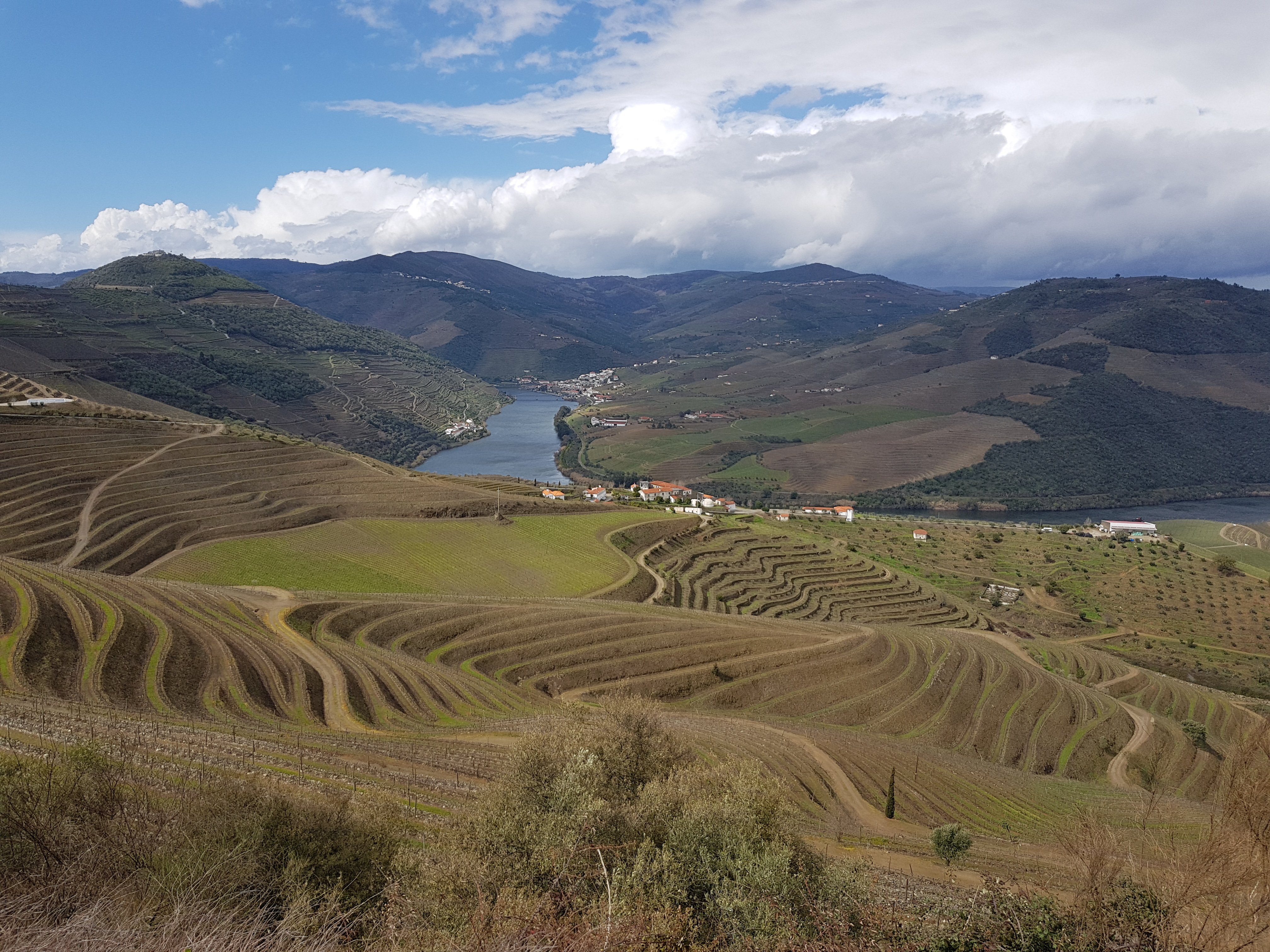
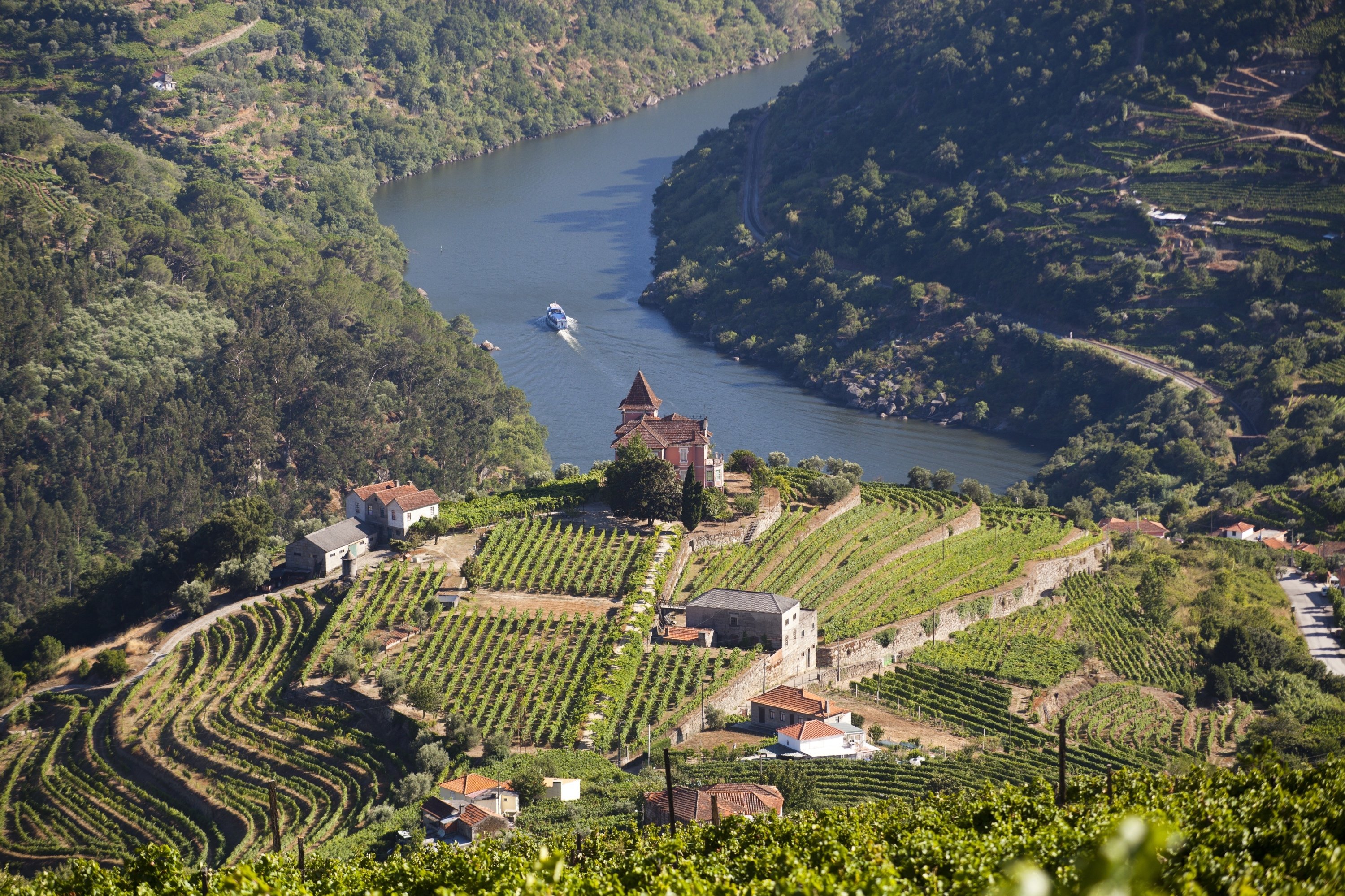
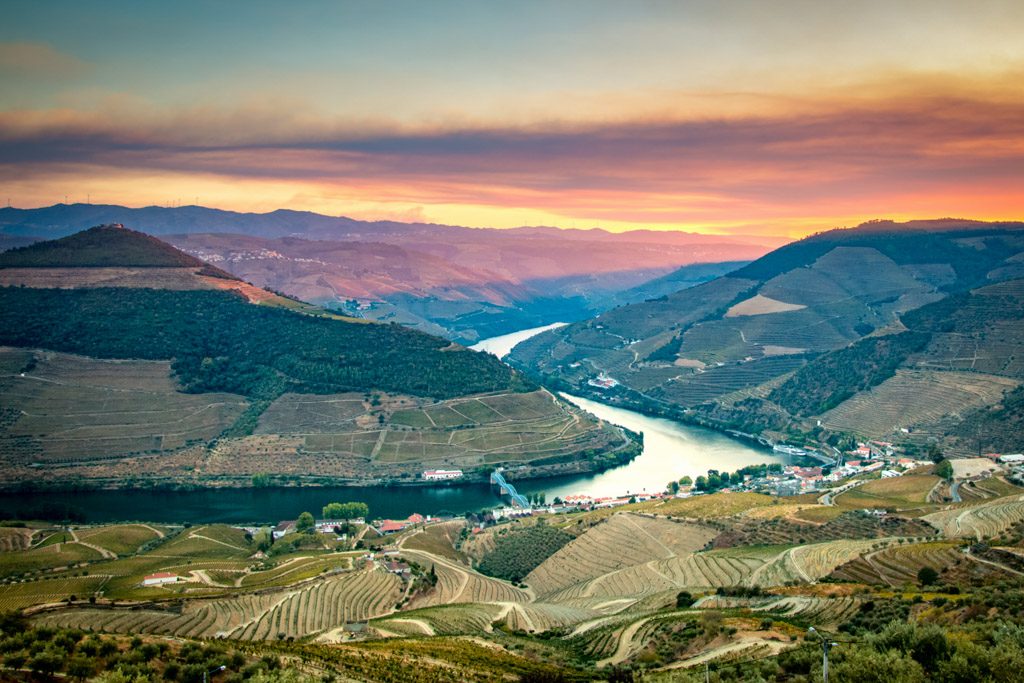
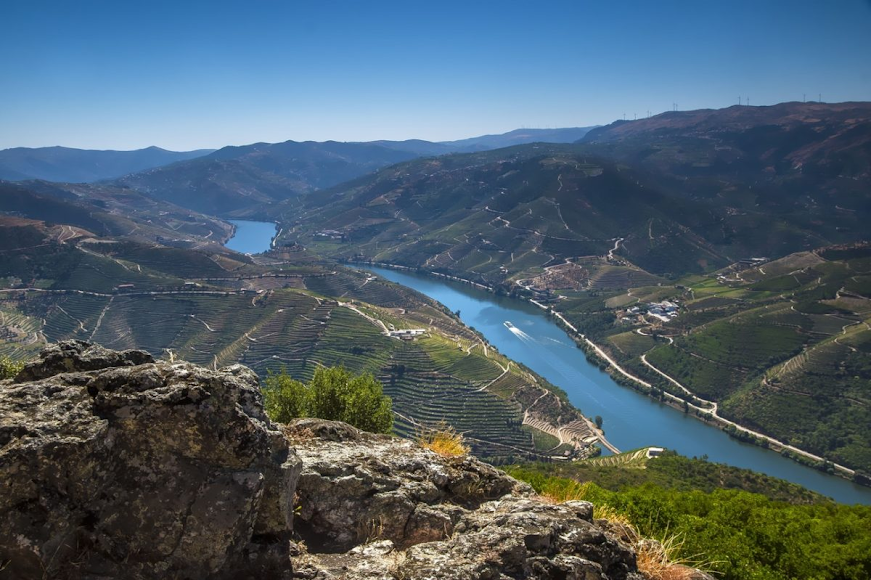
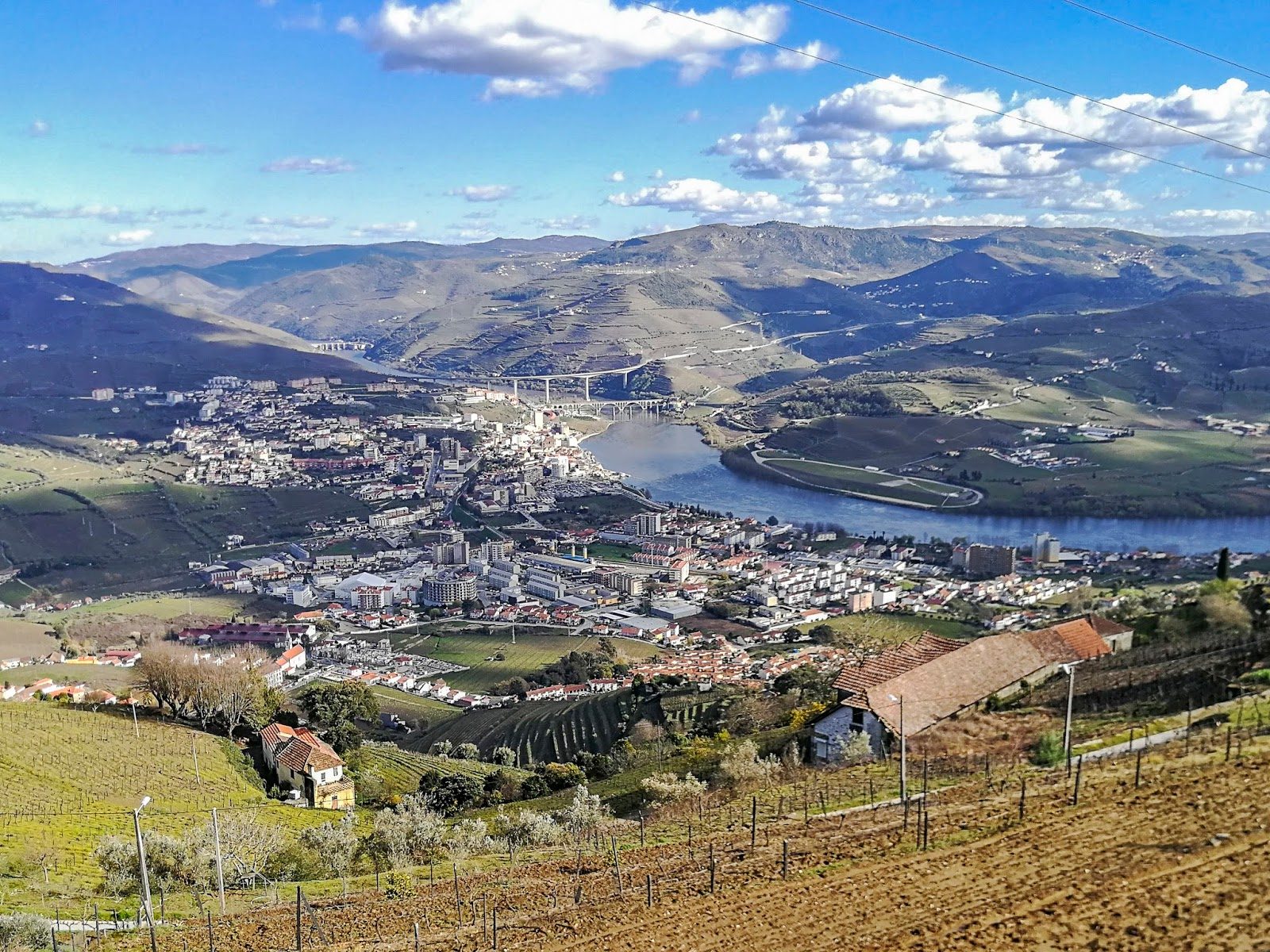
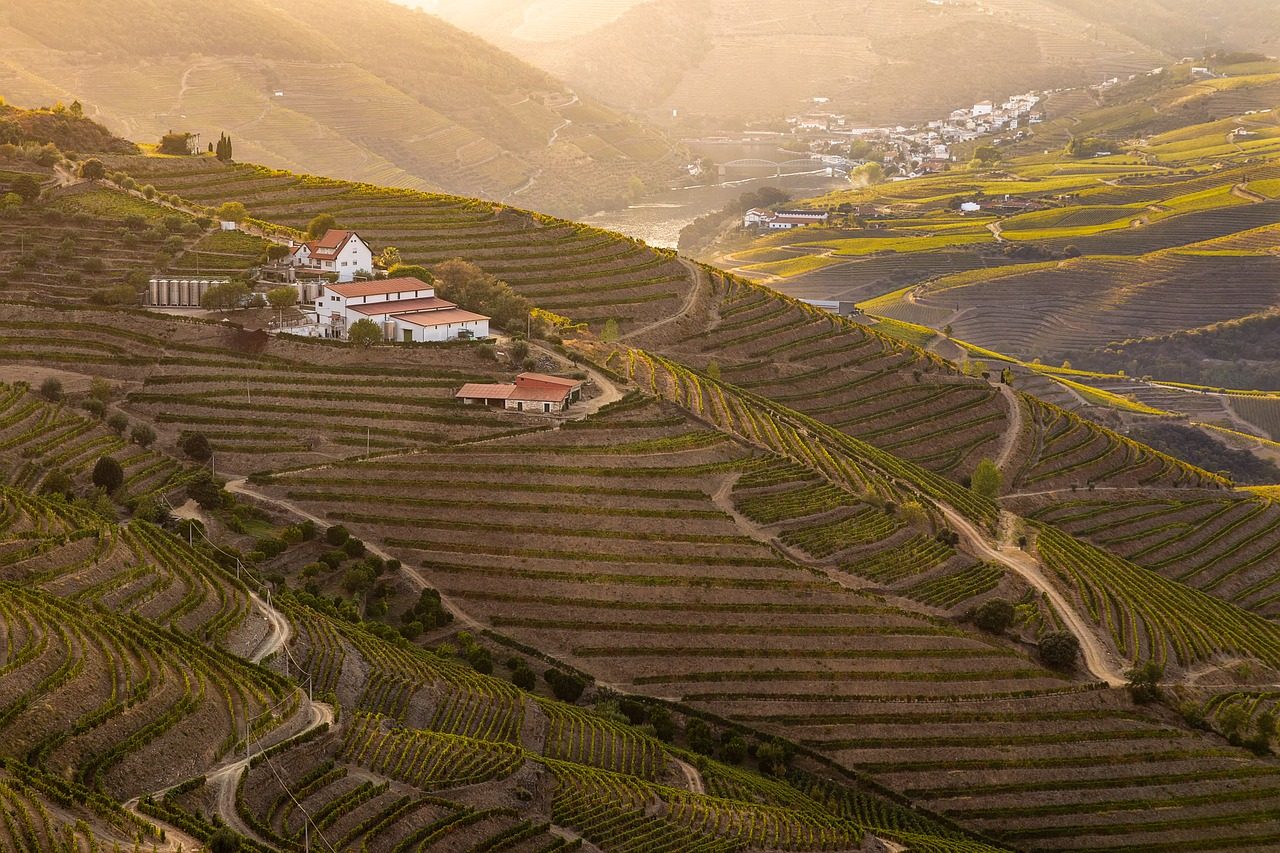
The drive takes ninety minutes, climbing through eucalyptus forest and granite outcrops before the valley opens into its signature panorama: schist slopes planted in geometric rows, whitewashed quintas perched above the water, and the Douro River threading through it all in a ribbon of bronze-green current.
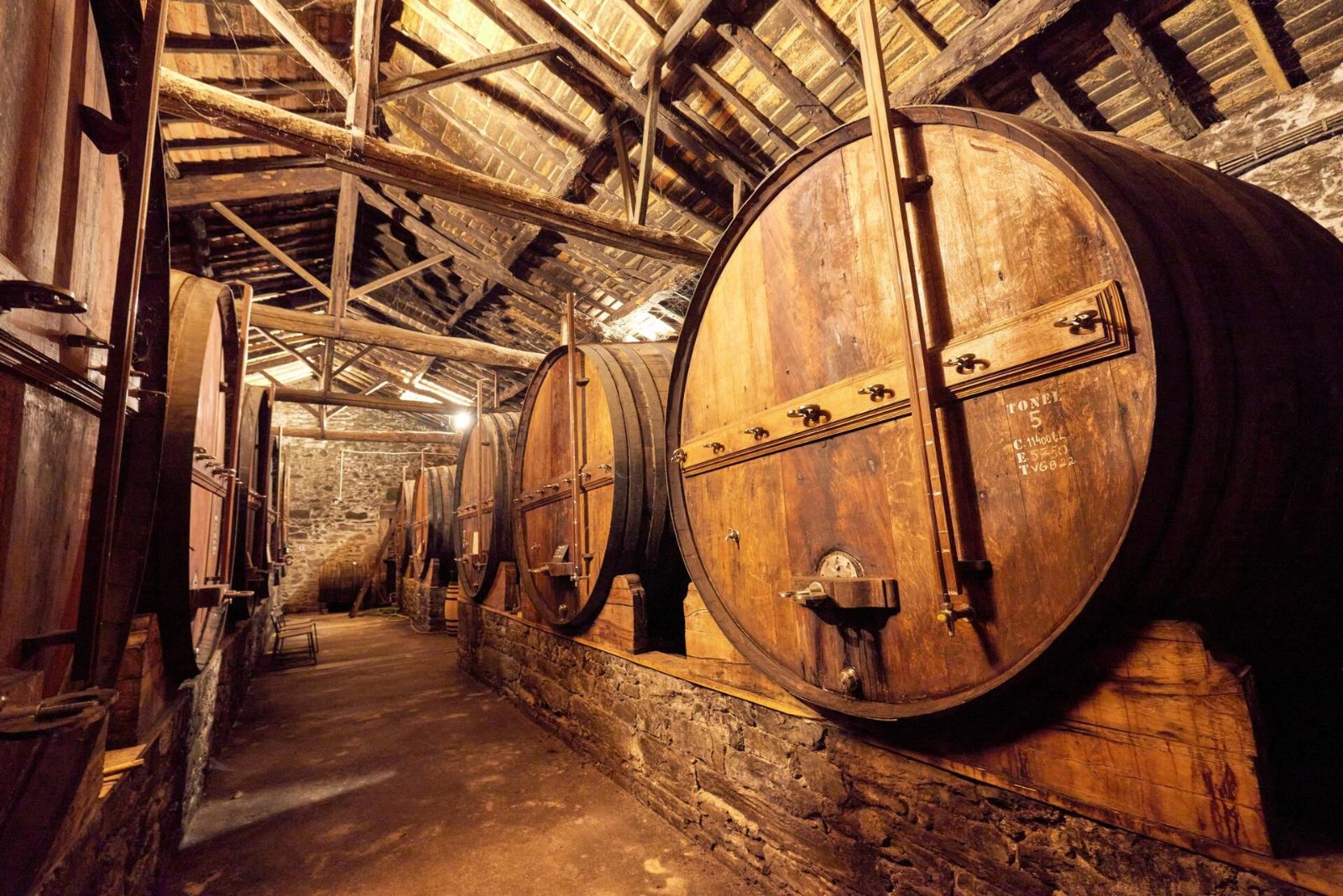
Your first stop is a family-run estate where the cellar master pulls samples directly from barrels — a ten-year tawny with caramel and dried fig, a late-bottomed vintage with grip and dark fruit. You compare ruby and reserve styles, noting how barrel time transforms the same base wine into entirely different expressions. The quinta's terrace lunch pairs roasted lamb with a red Douro DOC; you count seven vineyard parcels from your table, each facing a different compass point.
Afternoon brings a second quinta, this one specializing in organic viticulture. You walk the vinha ao alto rows, where vines are planted vertically up the slope without terracing. The guide explains how schist fractures allow roots to reach six meters deep, accessing water reserves even in August drought. You finish with a white port served over ice, citrus peel and almond notes cutting through the heat, before the return drive delivers you to Porto by evening.
All the details about your upcoming adventure in one place
A douro valley porto wine tour takes you through terraced vineyards along the Douro River, visiting family-run quintas and renowned estates where Port wine is produced. These wine-tasting tours from Porto typically include visits to two or three vineyards, guided cellar walks, and samplings of DOC Douro wines alongside regional cheeses and olive oil. The route winds through UNESCO-protected landscapes, stopping at viewpoints like São Leonardo da Galafura and often including a traditional Portuguese lunch at a quinta overlooking the valley.
Portugal's first demarcated wine region received its legal boundaries in 1756, a full century before Bordeaux, when the Marquis of Pombal sought to protect port wine's reputation from counterfeit blends flooding European markets.
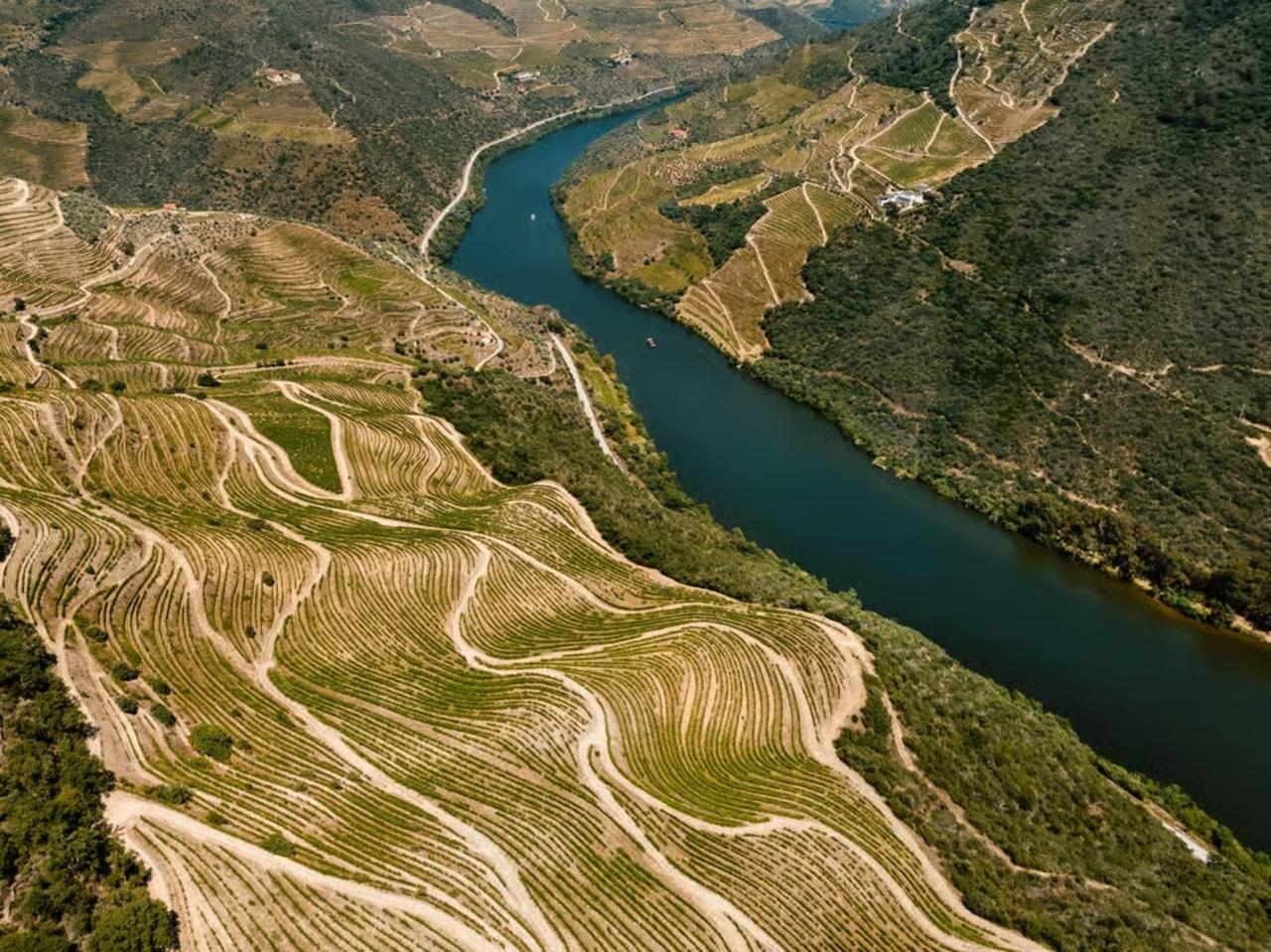
The Douro Valley's steep schist slopes, which rise along eighty kilometers of the Douro River, now carry UNESCO World Heritage designation for a cultural landscape shaped by two thousand years of viticulture. Grapes grown here — Touriga Nacional, Tinta Roriz, Touriga Franca — are hand-harvested on gradients so severe that mechanization remains impossible across much of the region.
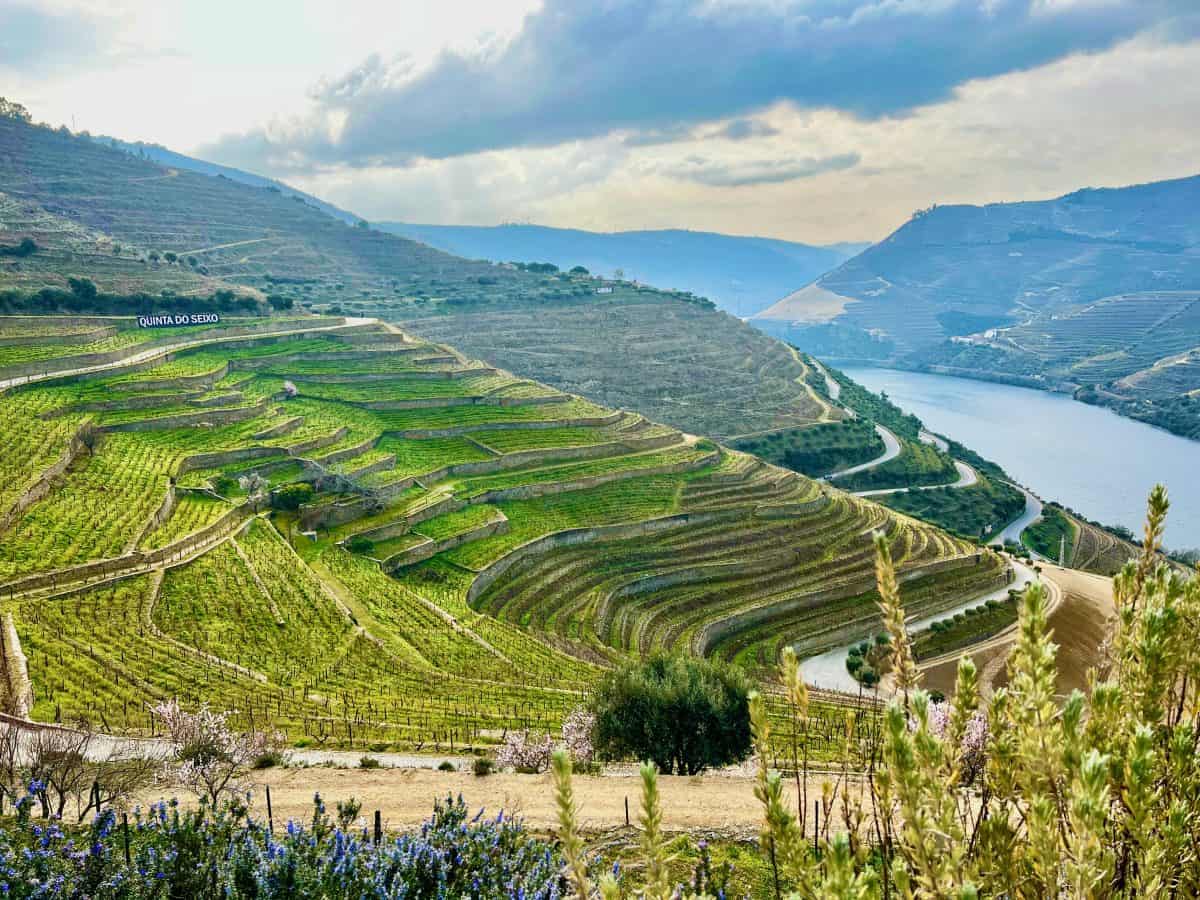
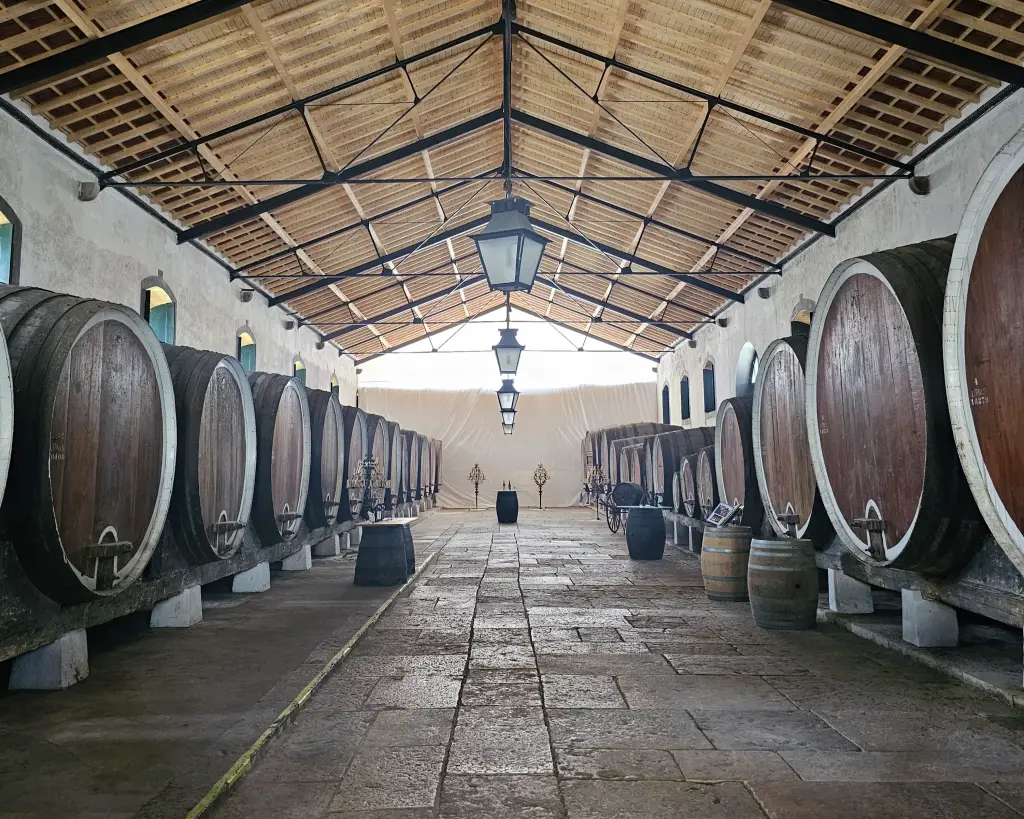
A douro valley porto wine tour connects visitors to the quintas where port wine matures in oak lodges built into hillside estates. These fortified wines, stabilized with grape spirit mid-fermentation, age in barrels for decades before bottling. The valley's microclimate — hot, dry summers and frost-protected winters — concentrates sugars in the fruit, while schist bedrock retains moisture through the growing season. Vineyards are terraced in three architectural styles: socalcos, the narrow stone-walled platforms built before the nineteenth century; patamares, wider mid-twentieth-century terraces that accommodate tractors on gentler slopes; and vinha ao alto, vertical planting aligned with the hillside gradient, introduced in the 1980s to maximize sun exposure.
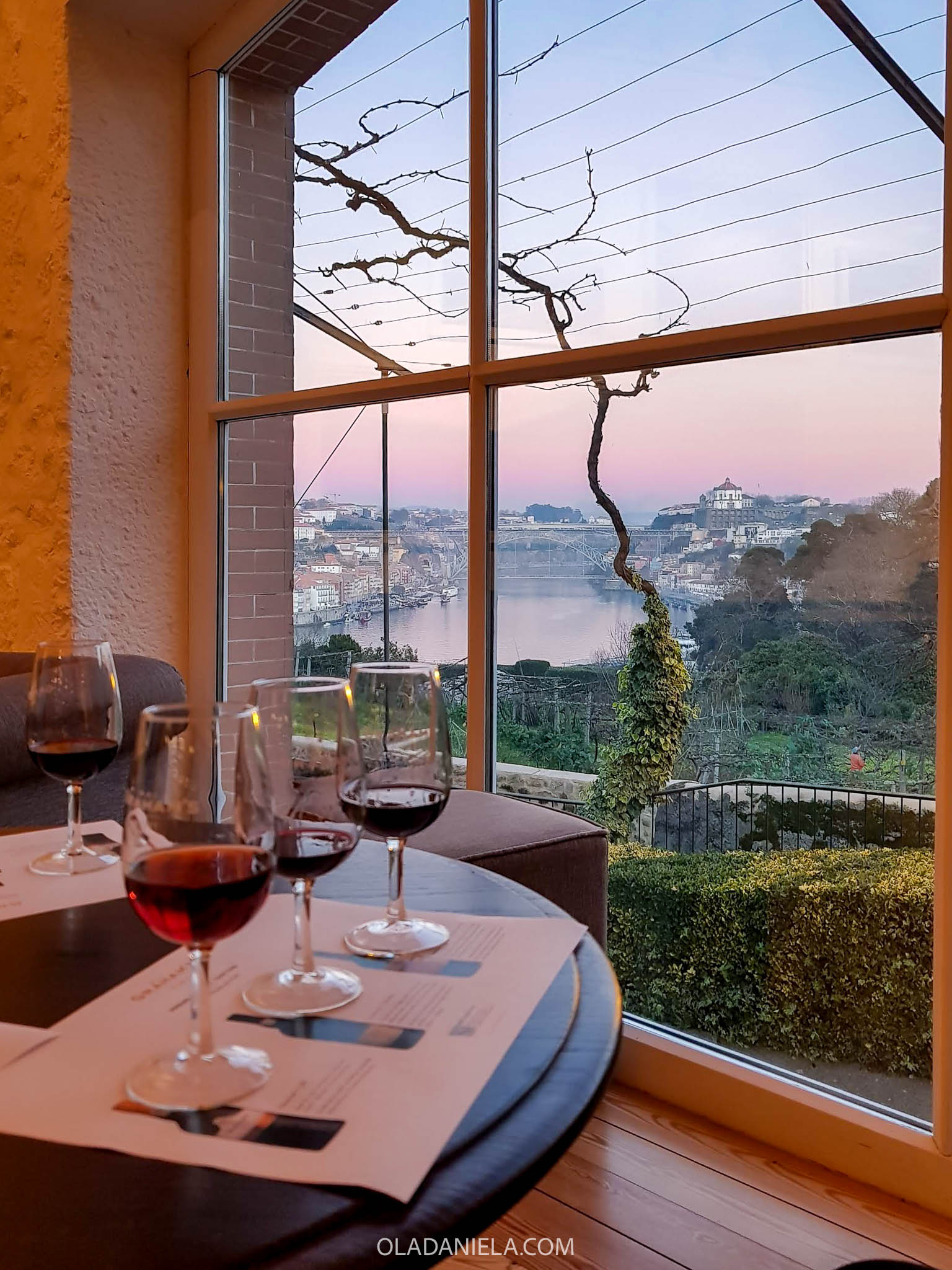
Douro valley port wine tasting sessions at family-run estates reveal the distinction between ruby, tawny, and vintage classifications. Ruby ports retain fruit-forward character through minimal barrel aging, while tawnies develop oxidative complexity over ten, twenty, or forty years in wood. Vintage port, declared only in exceptional harvest years, is bottled young and cellared for decades. Many quintas also produce unfortified Douro DOC table wines, which have gained international recognition since the 1990s as winemakers applied New World techniques to indigenous varietals. The region's viticultural heritage is preserved through manual labor — crews of workers still tread grapes by foot during harvest in traditional lagares, granite fermentation tanks that date to Roman occupation.
Douro valley wine tours from Porto typically include transfers along the N222 highway, which follows the river's north bank through terraced amphitheaters. The journey east from Porto climbs from sea-level humidity into the continental climate of the Cima Corgo and Douro Superior subregions, where summer temperatures exceed forty degrees Celsius. Quinta visits combine cellar tours, barrel tastings, and estate lunches overlooking the valley. The rail line between Porto and Pocinho, completed in 1887, opened the region to tourism, though road access remained limited until the late twentieth century. Today, the valley accommodates approximately one million visitors annually, with the majority arriving between May and October when river cruises operate at full capacity.
Portugal's first demarcated wine region received its legal boundaries in 1756, a full century before Bordeaux.
Casual and comfortable attire is recommended for a douro valley porto wine tour. Wear sturdy footwear for walking through uneven vineyard terraces.
Small personal bags are usually permitted on a douro valley porto wine tour. Larger luggage should be left at your accommodation in Porto or Pinhão.
Photography is generally encouraged at most quintas on your douro valley porto wine tour. Respect private property signs and avoid photographing sensitive winemaking equipment.
Many wine estates welcome families, though tasting experiences are designed for adults. Ensure younger guests remain supervised while exploring the grounds of your douro valley porto wine tour.
Vineyard terrain can be steep and uneven, making full accessibility difficult for those with mobility aids. Contact specific quintas in advance to check for accessible tasting rooms on your douro valley porto wine tour.
Outside food is not permitted in winery tasting rooms during your douro valley porto wine tour. Many quintas offer onsite lunches or regional tapas platters.
Opening hours
09:00–18:00
Address
Douro Valley, Portugal
Accessibility
Varies by individual quinta
Arrival
09:00–11:00
Storage
Not available at most estates
Navigation
Regional road and rail network
Train · 2.5 hours · €10–€20
Take the Linha do Douro from Porto São Bento to Pinhão for a scenic journey.
Car · 2 hours · Variable
Follow the A4 and N222 for a flexible route through the valley landscape.
Cancellations typically require 24–48 hours notice for a full refund of any prepaid tour booking. Please note that there is 0 EUR region-wide entrance fee, as costs vary by individual winery.
Recommended time
Full day (8-9 hours)
A comprehensive douro valley porto wine tour requires a full day to traverse the terraced vineyards and experience local quintas. Arriving during the 09:00–11:00 window helps guests avoid the influx of large groups at major wine estates. Those seeking douro valley porto wine tour tours often find that extended time allows for deeper engagement with traditional port production and river landscapes, whereas douro valley porto wine tour tickets are best utilized across a relaxed itinerary rather than rushing between sites.
Crowd levels through the day
Weather · crowds · average price — dots go green to amber to red as each metric rises.
Mild temperatures and green landscapes, perfect for hiking through the vines.
Hot weather with long days, best suited for river cruises and early morning tours.
The harvest season with vibrant colors and intense activity at every local winery.
Quiet and peaceful atmosphere, ideal for relaxed indoor tastings by the fireplace.
Reserve your spots at individual quintas several weeks in advance to ensure availability during peak harvest months for your douro valley porto wine tour.
Temperatures in the valley fluctuate significantly from Porto; check the Vila Real forecast before your douro valley porto wine tour.
Base yourself in Pinhão or Peso da Régua to minimize travel time between vineyard visits during your douro valley porto wine tour.
The Linha do Douro offers some of the most beautiful river views in Portugal for travelers on a budget.
Combine a large estate tour with a small family-run quinta visit to get a comprehensive view of the region.
The Douro Valley's transformation into the world's oldest demarcated wine region began in 1756, when Portugal's Marquês de Pombal established legal boundaries to combat fraud and protect the reputation of port wine. This decree predated France's appellation system by nearly two centuries. The region's terraced vineyards, carved into schist slopes along the Douro River, represent centuries of labor. Farmers dynamited rock and hauled soil by hand to create the patamares and socalcos that define the landscape today. The phylloxera epidemic of the 1860s devastated European viticulture, and the Douro lost entire harvests. Growers replanted with American rootstock, a painstaking process that reshaped which grape varieties survived. Touriga Nacional and Tinta Roriz emerged as dominant cultivars from this crisis. The railway connecting Porto to Pocinho opened in 1887, ending the valley's dependence on barcos rabelos—flat-bottomed boats that once carried port downriver through treacherous rapids. Mechanization arrived slowly. Until the 1960s, most quintas relied on lagares, granite treading tanks where workers crushed grapes by foot during harvest. Modern wineries now use temperature-controlled fermentation, but traditional quintas on a douro valley porto wine tour still demonstrate lagar pressing for visitors. UNESCO inscribed the Alto Douro Wine Region as a World Heritage site in 2001, recognizing both the cultural landscape and the living tradition of viticulture. The designation covers 24,600 hectares of vineyards and extends protection to the traditional stone walls and terraces. Today, over 30,000 growers farm the valley, producing not only fortified port but also acclaimed table wines. The region's schist soils, extreme temperature swings, and southeast-facing slopes create conditions that no other wine region replicates. Visitors booking douro valley porto wine tour tickets access estates where winemaking methods span three centuries, from foot-treading to robotic fermentation monitoring.
Marquês de Pombal establishes the Douro as the world's first legally demarcated wine region
Phylloxera epidemic destroys vineyards; replanting with American rootstock reshapes varietal selection
Railway from Porto to Pocinho opens, replacing barco rabelo river transport for port barrels
Mechanization begins; traditional lagar foot-treading declines but persists at heritage quintas
Portugal joins the European Economic Community, triggering investment in modern winery infrastructure
UNESCO designates the Alto Douro Wine Region a World Heritage cultural landscape
Table wine production surges as international demand shifts beyond fortified port
Sustainable viticulture and agrotourism expand across douro valley porto wine tour operations
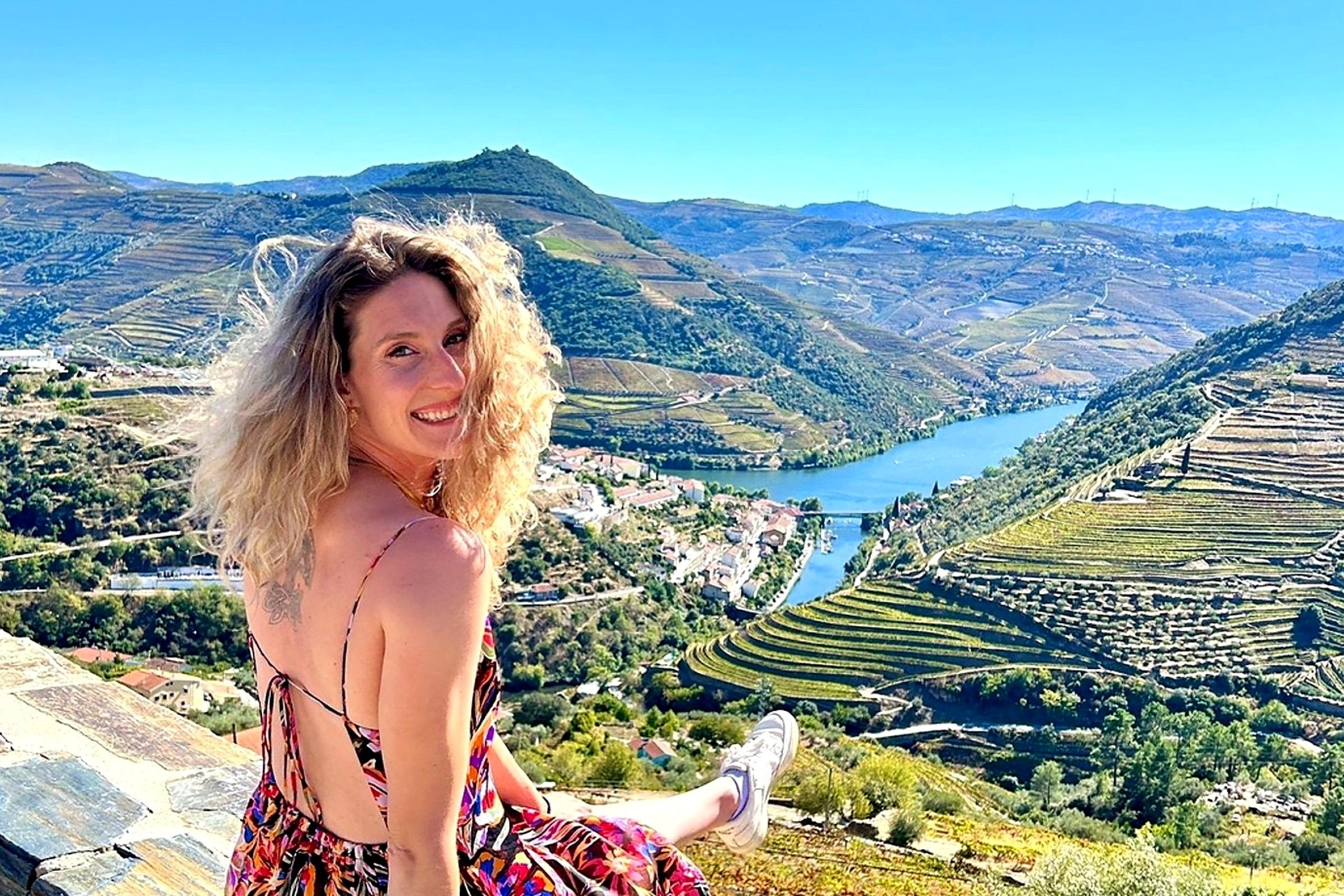
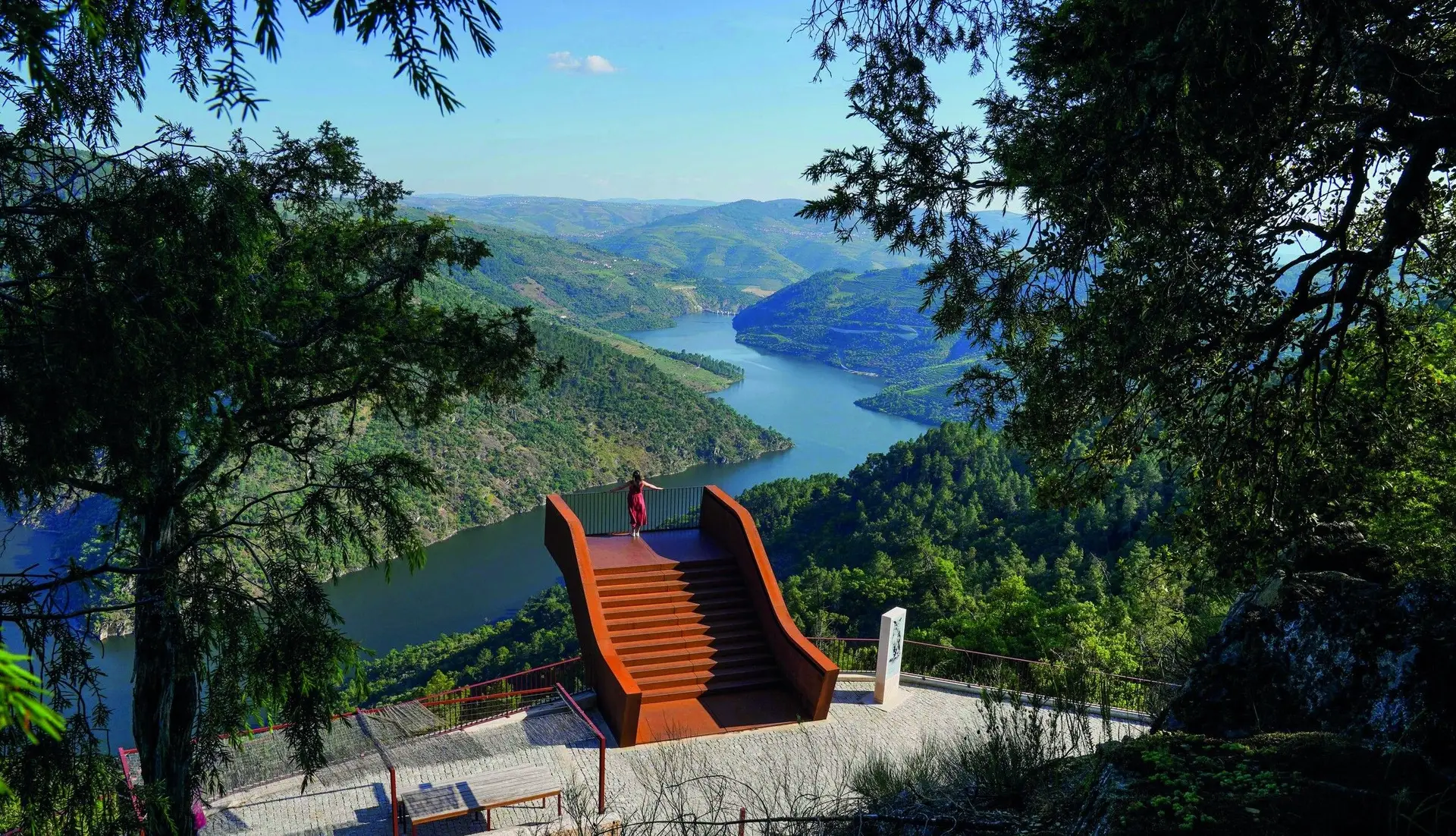
Stand at the stone wall overlooking the village to capture the sweeping river bend and steep vine-covered slopes. This vantage point provides a classic wide-angle composition of the valley floor.
Position yourself near the marked lookout point for a panoramic perspective of the Peso da Régua region. The elevation offers a clear view of the winding waterway flanked by extensive terraced hillsides.
Locate the viewing deck near the winery to frame the symmetrical vine rows that define the local viticulture. This spot is perfect for your douro valley porto wine tour to document the structured landscape of the region.
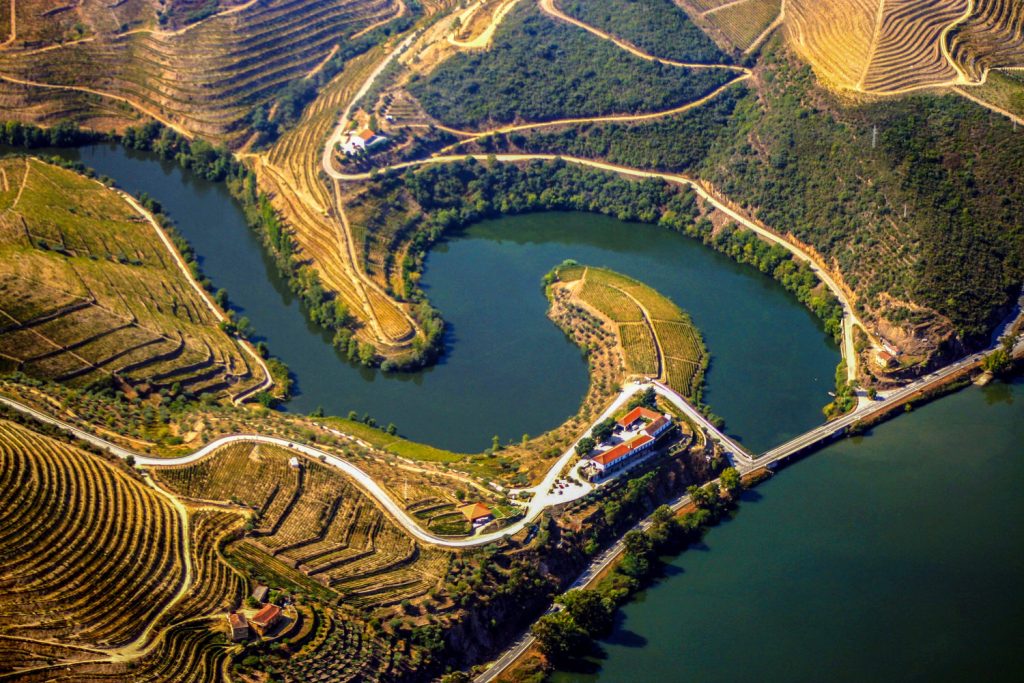
Find the pull-off along the road to see the confluence of the Távora and Douro rivers. The height allows for a detailed shot of the intricate irrigation patterns and estate architecture common on douro valley porto wine tour tours.
Walk to the chapel grounds to capture a framed vertical shot of the valley below. This location serves as an excellent anchor for those booking douro valley porto wine tour tickets to capture both religious heritage and agricultural depth.
Dining options during your douro valley porto wine tour range from refined estate restaurants overlooking the terraced vineyards to rustic tascas in nearby riverside villages. Many travelers find that booking a vineyard lunch enhances their douro valley porto wine tour tours significantly by providing seamless pairings with local terroir.
Located on the riverbank, this venue offers sophisticated Portuguese cuisine featuring local ingredients. It is an ideal spot for those seeking an elevated culinary experience after exploring the quintas.
Situated in a restored railway warehouse, this restaurant provides a modern take on regional dishes. Visitors often use douro valley porto wine tour tickets to coordinate their visit with a leisurely afternoon meal here.
This winery features high-end dining options where guests can enjoy seasonal food paired with their signature Ports. It serves as a convenient stop during a douro valley porto wine tour tour to minimize travel time between tastings.
Real experiences from real travelers
Our guide took us through three family-run estates where we tasted exceptional Port and met the winemakers themselves. The terraced landscape along the river is unlike anything else in Portugal. Book morning departures for cooler temperatures.
The douro valley porto wine tour exceeded expectations with stops at Pinhão and Régua. Each quinta offered different fortified wine styles and the lunch paired local cheeses with older Ports. River views from the terraces made every tasting memorable.
Visited during October when grapes were being picked by hand on the steep slopes. Our small group learned about foot-treading traditions still used at one estate. The guide explained how schist soil creates the unique minerality in Douro wines.
The douro valley porto wine tour covered four quintas with generous tastings at each stop. Some estates felt rushed but the scenic drive through UNESCO-protected landscape and the traditional lunch made up for it. Wear comfortable shoes for cellar walks.
Started at a cooperative winery where we saw modern fermentation tanks, then visited century-old estates with hand-painted tile cellars. The contrast showed how tradition and innovation coexist in this region. Our guide's knowledge of viticultural history was impressive.
September timing meant golden vine leaves and moderate heat. We sampled ruby, tawny, and vintage Ports while learning how altitude affects ripening. The boat ride from Pinhão offered perspective on how steep these vineyards truly are.
Had limited wine knowledge before this douro valley porto wine tour but the guides explained everything clearly without being condescending. Tasted wines ranging from young whites to 40-year tawny Ports. The valley's microclimate creates surprisingly diverse styles.
Drove from Porto and the landscape becomes dramatic once you pass Peso da Régua. Each quinta specializes in different Port categories so you get real variety. Lunch at a family estate included traditional bacalhau and views over the river bend.
Toured in February when vines were dormant and crowds were minimal. Guides had more time for detailed explanations about pruning techniques and soil composition. The fortified wines tasted richer in cooler weather. Book ahead as some estates close mid-week in winter.
The douro valley porto wine tour tickets included transportation, four winery visits, lunch, and all tastings for a reasonable price. Our guide arranged a private cellar tour at one quinta where we tried a 1997 vintage directly from the barrel.
Everything you need to know for your journey
Most quintas are open daily from 09:00–18:00 for your douro valley porto wine tour.
There is 0 EUR region-wide entrance fee, though individual wineries charge for tours and tastings during your douro valley porto wine tour.
The best arrival window is 09:00–11:00 to avoid afternoon heat and peak crowds during your douro valley porto wine tour.
Yes, families are welcome at many estates, though the primary activity of a douro valley porto wine tour is wine tasting.
You can visit independently, though booking individual tastings is recommended to ensure your douro valley porto wine tour experience is successful.
Photography is usually permitted, but always ask permission before taking photos inside active production areas on your douro valley porto wine tour.
Bring sunscreen, comfortable shoes, a camera, and a water bottle for your douro valley porto wine tour.
You can travel by train from Porto to Pinhão or drive to reach the sites for your douro valley porto wine tour.
Cancellation terms depend on the individual operator for your douro valley porto wine tour tickets.
Nearby landmarks include the Pinhão Train Station and the Museu do Douro for your douro valley porto wine tour.
Famous for its 24 intricate azulejo tile panels.
Learn about the regional wine history in Peso da Régua.
Baroque shrine featuring an iconic monumental staircase in Lamego.
Riverside hotel located in the heart of Pinhão.
Family-owned working winery with guest accommodations.
Resort in Lamego featuring a vast spa and wine library.
Join thousands of happy travelers who have discovered this incredible experience
Book Your Experience Now