
Quick answer
Traveling to Douro Valley from Porto takes 2 to 2.5 hours depending on your chosen method. The scenic train line operated by CP departs São Bento station multiple times daily, reaching Peso da Régua in approximately 2 hours and Pinhão in 2.5 hours. Driving via the A4 motorway covers the distance in roughly 1.5 to 2 hours, while regional buses from Campo 24 de Agosto station offer an alternative with similar journey times to the train.
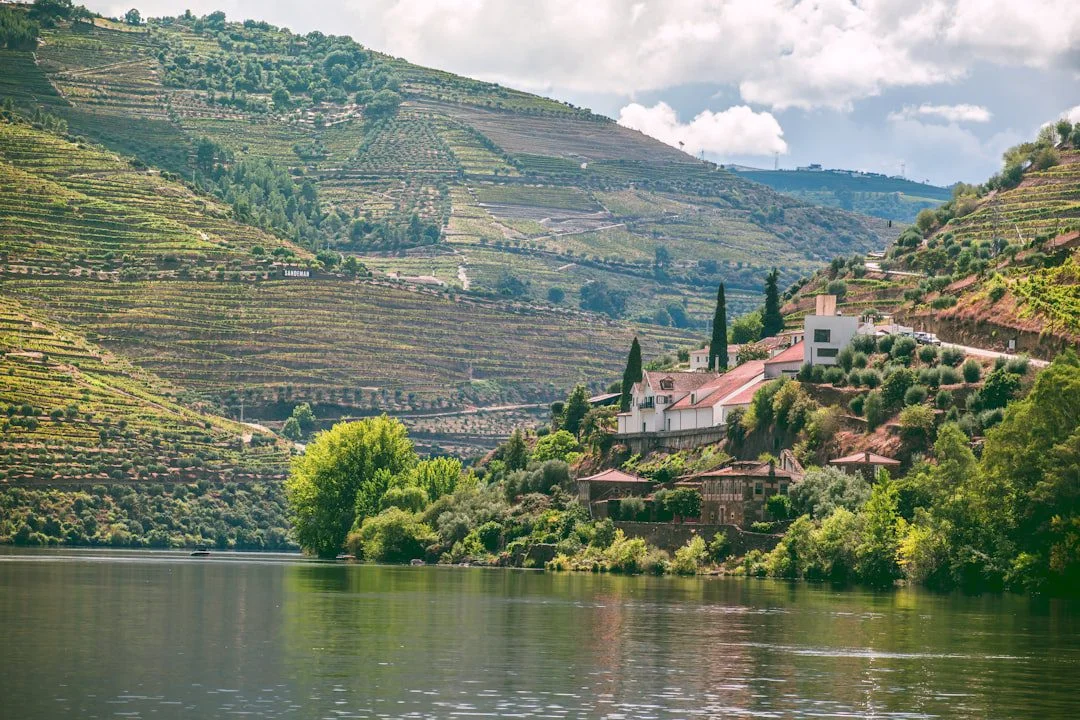
The Douro line railway opened in 1879 as an engineering feat carved into steep valley slopes, and it remains the most scenic route into Portugal's oldest demarcated wine region. Trains hug the southern bank of the Douro River for nearly the entire journey, passing terraced quintas and riverside villages that predate the railway itself. Reaching Douro Valley from Porto by train means boarding at São Bento station in the city center, where azulejo-tiled walls depict scenes from Portuguese history. CP operates regional services that stop at Peso da Régua—the valley's commercial hub and transfer point for river cruises—and continue to Pinhão, a smaller village surrounded by some of the region's most photographed vineyard estates. Morning departures between 08:00 and 10:00 allow maximum daylight hours for winery visits and return connections before evening. The official timetable at CP's website shows exact departure slots and seasonal variations. Driving to the Douro Valley offers flexibility for visiting multiple estates in a single day. The A4 motorway runs northeast from Porto, exiting at Vila Real or Peso da Régua depending on your destination within the valley. The journey crosses the Marão mountain range, where elevation shifts and tunnel sections give way to descending views of terraced slopes. Rental cars from Porto airport or downtown agencies typically include toll transponders for the motorway. Narrow estate access roads require caution, particularly during harvest season when vineyard traffic increases. Regional bus services operated by Rede Expressos and Rodonorte depart from Campo 24 de Agosto station, connecting Porto to Peso da Régua with several daily runs. Buses follow the N108 national road, a slower route than the motorway but one that parallels the river through smaller settlements. The bus option suits travelers prioritizing budget over speed, though schedules may reduce on weekends and public holidays. Advance booking through carrier websites ensures seat availability during peak visiting months from May through October. Transport choices into the Alto Douro Vinhateiro depend on whether your itinerary favors a single destination or multiple stops across the demarcated zone. Train travelers typically base themselves in Pinhão or Régua and arrange winery shuttles, while drivers gain access to hilltop estates and smaller producers away from the riverside rail corridor.
“The Douro line railway hugs the southern bank of the river for nearly the entire journey, passing terraced quintas and villages that predate the railway itself.”
How to Get to Douro Valley from Porto: Trains, Boats, and Cars
The Douro Valley is located inland from Porto, accessible via the Douro railway line, regional highways, or water transit. Most visitors begin their journey at Porto's main transport hubs.
CP Linha do Douro from Porto São Bento or Campanhã to Pinhão or Peso da Régua
A4 and A11 highways toward Peso da Régua
River cruise departing from Porto Ribeira to Peso da Régua
The Best Time to Travel: How to Get to Douro Valley from Porto Wisely
To optimize your journey from Porto, the best arrival window is 08:00–10:00 to avoid mid-day crowds and ensure sufficient time for regional exploration. Planning your travel within this timeframe helps maintain a consistent pace for train departures and winery appointments.
Spring (April–May)
Moderate crowds; pleasant for walking.Mild temperatures 15°C–22°C. Ideal for viewing the landscape during the vine budding phase.
Harvest Season (September–October)
High seasonal demand.Warm days 20°C–26°C with cool evenings. This period features active grape picking and traditional wine production.
Weekday mornings
Low transit and station volume.— Arriving early allows for priority access to regional transport and quieter visits at local sites.
Verdict: The optimal time to travel is Tuesday to Thursday between 08:00–10:00 during the months of April, May, September, or October.
Planning Your Visit: How to Get to Douro Valley from Porto for a Day Trip
This plan suits travelers departing Porto in the morning and returning by evening, allowing 6–8 hours in the valley. It combines scenic rail travel with visits to at least one quinta and the riverside town of Pinhão.
Depart Porto by Train
Board the regional or historic train from São Bento station; the journey takes roughly 2–3 hours through terraced vineyards. Bring water and snacks—dining cars are limited.
Arrive in Pinhão, Explore the Town
Walk the riverfront, photograph the azulejo-tiled station, and have lunch at a local tasca. Reserve 30 minutes for the station itself and 90 minutes for a meal.
Visit a Quinta for Tasting
Many estates offer guided tours and port tastings by appointment; plan 2–2.5 hours including transit from Pinhão. Confirm booking and transport (taxi or estate shuttle) in advance.
Optional River Cruise or Second Quinta
If time permits, take a short Douro cruise from Pinhão's dock or visit a second winery. Skip if your return train departs early.
Return Train to Porto
Board the late-afternoon service; arrive back at São Bento by evening. Check the CP timetable for exact departure times, as frequencies vary by season.
Budgeting Your Trip: Pricing When Learning How to Get to Douro Valley from Porto
The Douro Valley region is an open destination with no entry cost. Expenses depend entirely on individual transport choices and participation in private tours or winery visits.
The region itself is free to enter, but costs vary based on your selected mode of transport and chosen local experiences.
Checklist for Those Discovering How to Get to Douro Valley from Porto
Prepare these items before your journey to ensure smooth access to the Douro Valley wine region.
-
Book train tickets via CP online — Advance reservations secure seats during peak travel periods and offer better fares.
-
Check weather forecast for the week — The valley's microclimate varies significantly from Porto, affecting clothing choices.
-
Pack layers and comfortable walking shoes — Winery estates and riverside towns involve uneven terrain and temperature shifts.
-
Confirm any winery tour reservations — Many quintas require advance booking, especially during harvest season.
-
Download offline maps of the region — Mobile coverage can be patchy in remote vineyard areas along the Douro River.
-
Bring sun protection and water — Extended outdoor time at viewpoints and vineyards requires hydration and UV defense.
Check availability
Frequently asked questions about how to get to Douro Valley from Porto
Everything you need to know about how to get to douro valley from porto