

Quick answer
Is Douro Valley worth visiting? Yes, if your travel style favors working agricultural landscapes over manicured gardens, and if you have at least one full day to commit. The Alto Douro Wine Region is a public UNESCO site accessible year-round with no entrance fee, but its appeal lies in quinta tastings, river viewpoints, and the seasonal rhythms of viticulture rather than ticketed monuments or compact city-center attractions.
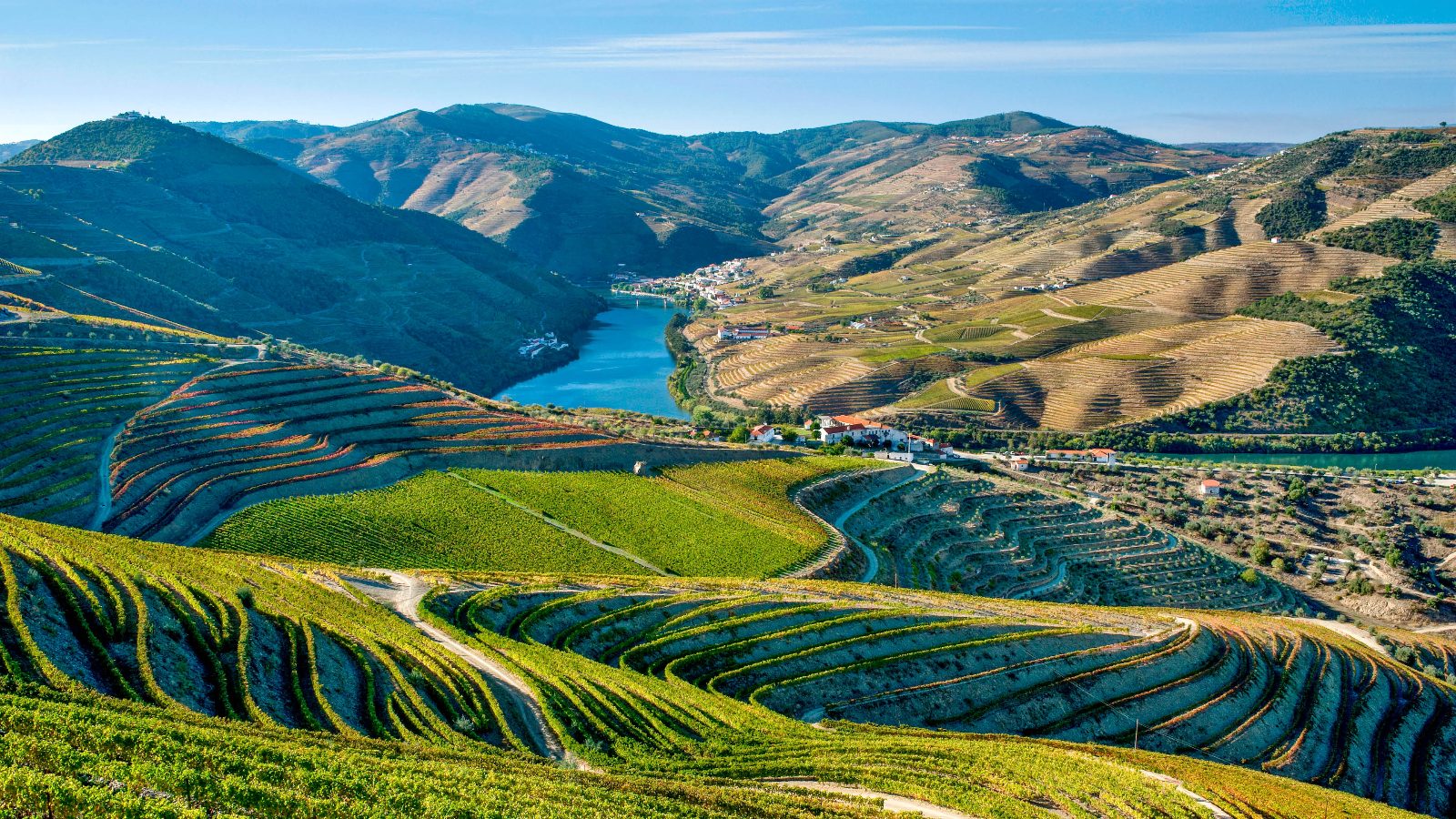
Port wine exports built Porto's merchant wealth in the 18th century, but the grapes grew 100 kilometers upstream in a gorge so steep that pre-phylloxera vines were planted on hand-carved schist terraces barely wide enough for a single row. That topography still defines the Douro today. Visiting the Douro Valley means navigating a working wine region, not a theme park. Quintas occupy family estates scattered across both banks of the river, accessible by narrow roads that climb from the N222 river highway. Most require advance booking for tastings. The landscape rewards slow movement — viewpoints at São Leonardo da Galafura and Casal de Loivos frame the river's switchbacks and the geometry of terraces that predate mechanized agriculture. September through October brings the grape harvest, when estates hire seasonal pickers and the hillsides turn amber and rust. The region operates as open countryside, free to enter and explore. Practical costs come from quinta tasting fees, meals at estate restaurants, and river cruises departing Pinhão or Peso da Régua. A day trip from Porto by train or car covers Pinhão and two or three estates comfortably. Overnight stays in converted manor houses or riverside hotels allow for morning light on the terraces and evening tastings without the return drive. Whether the Douro Valley justifies your time depends on whether vineyard topography and the cadence of wine tourism interest you more than another day in Porto's Ribeira district or a coastal excursion. The valley offers no shortcuts — it demands at least six hours from city departure to return, and the experience centers on landscape immersion rather than monument density. For travelers who prioritize terroir, the schist slopes and quintas of the Alto Douro Wine Region deliver what Porto's tasting rooms can only represent.
“The Douro's schist terraces predate mechanized agriculture, hand-carved for vines so steep that a single row barely fits the width of the bench.”
Is Douro Valley Worth Visiting by Season and Time of Day?
The period from late September to mid-October is the most significant window, as it coincides with the annual grape harvest, known as the vindima. To manage your visit effectively, the best arrival window is 08:00–10:00 to avoid peak daytime heat and crowds at popular viewpoints and wineries.
Late September – October
High due to harvest activitiesMild with average highs of 22°C
This season offers active vineyard landscapes and stable weather conditions for touring.
Late Spring (May – June)
ModeratePleasant with average highs of 25°C
Vines are lush and green, providing a vibrant backdrop before the intense summer heat.
Weekday mornings
Low—
Arriving between 08:00–10:00 ensures quieter experiences at estates and clearer access to scenic vistas.
Verdict: For the optimal experience, visit during the harvest season in late September or October and adhere to the best arrival window of 08:00–10:00.
Key Sights That Show Why Is Douro Valley Worth Visiting
The Douro Valley is characterized by its dramatic landscape of terraced vineyards and the winding Douro River. These landmarks define the region as a historic center for wine production.
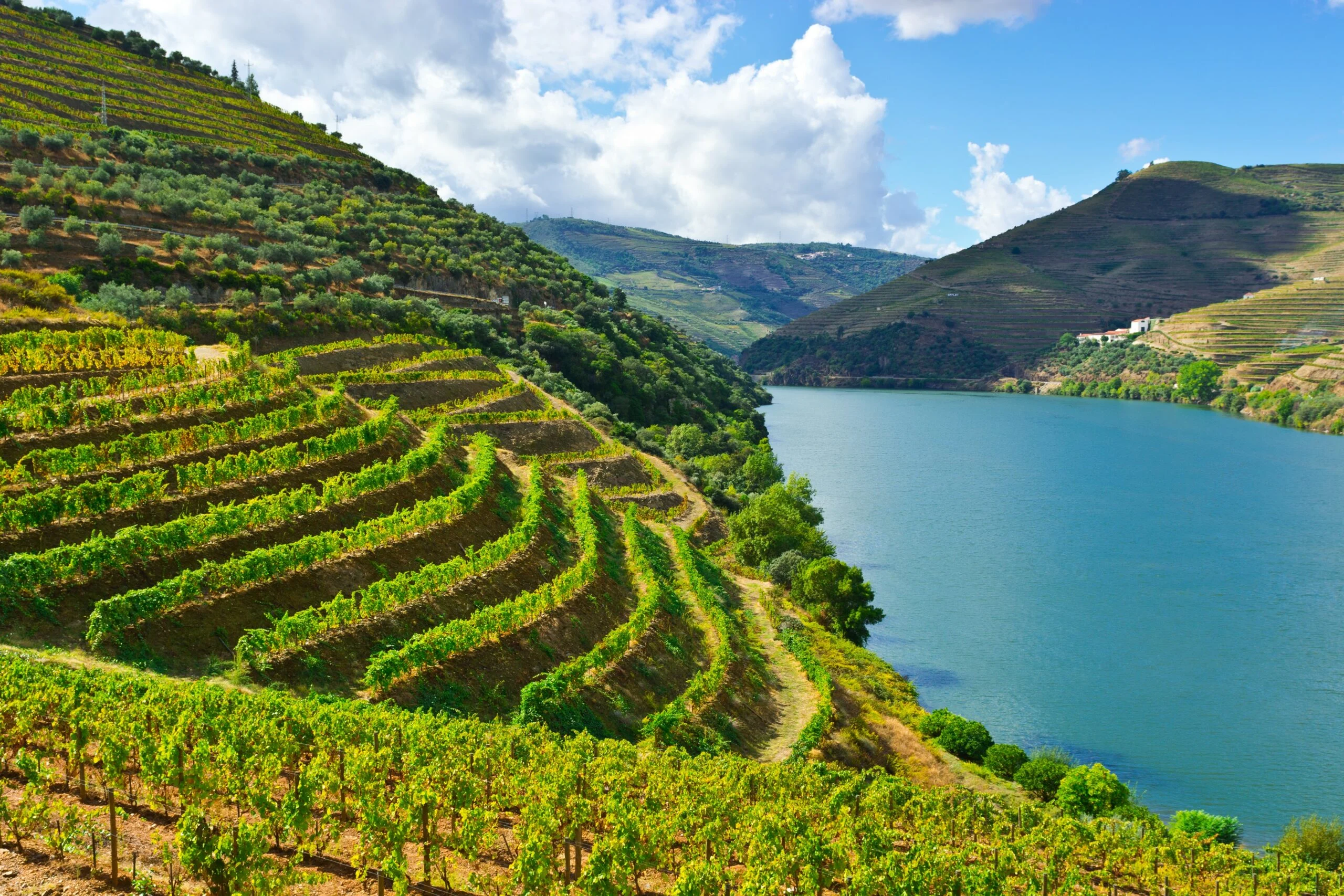
Alto Douro Wine Region
A UNESCO World Heritage site featuring steep, man-made terraces carved into the hillsides for grape cultivation.
Visit the upper slopes for expansive views of the valley floor.

Douro River
The waterway that serves as the primary artery for the region, often navigated by traditional Rabelo boats.
Book a short river cruise to see the vineyards from below.
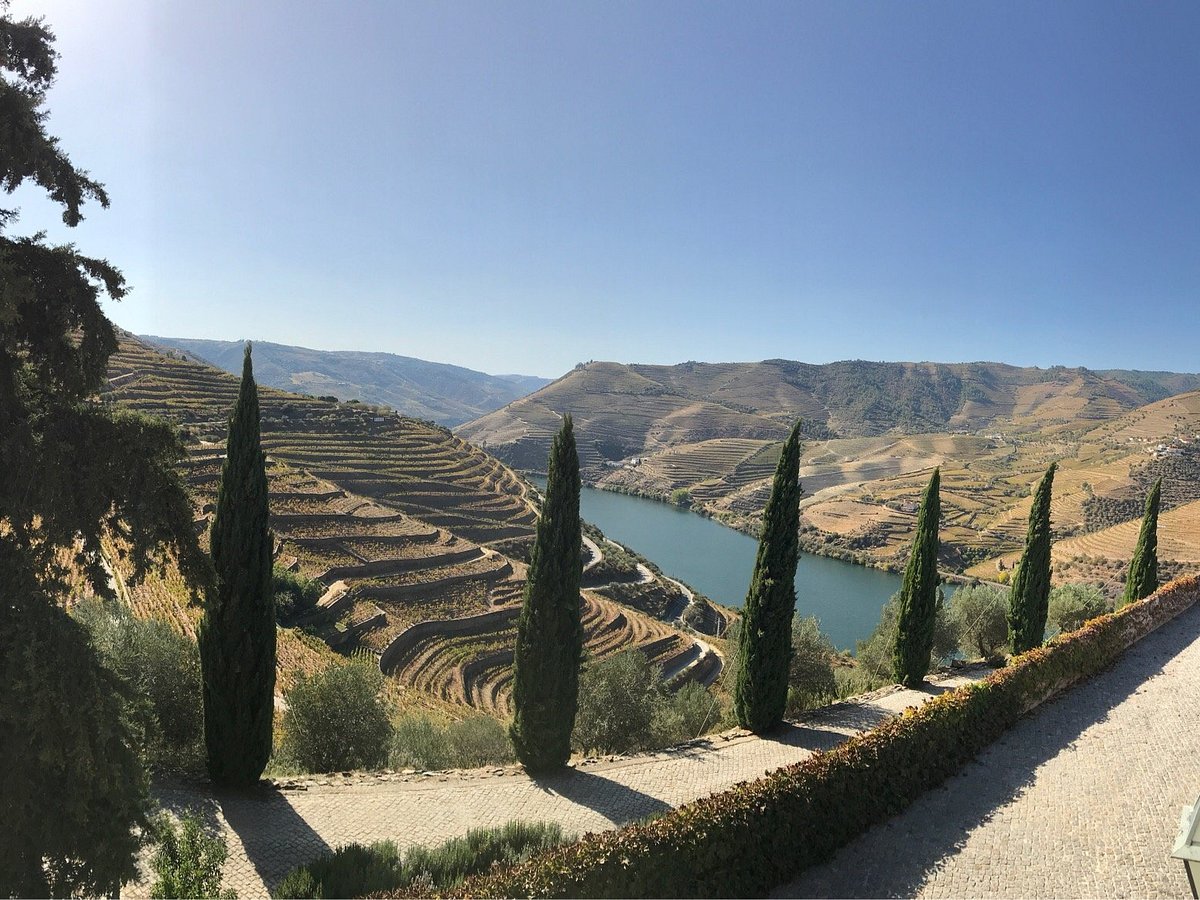
Quinta do Seixo
A prominent wine estate known for its modern winery facilities and panoramic views over the Douro River.
Walk the perimeter trails to see how the vines meet the river.
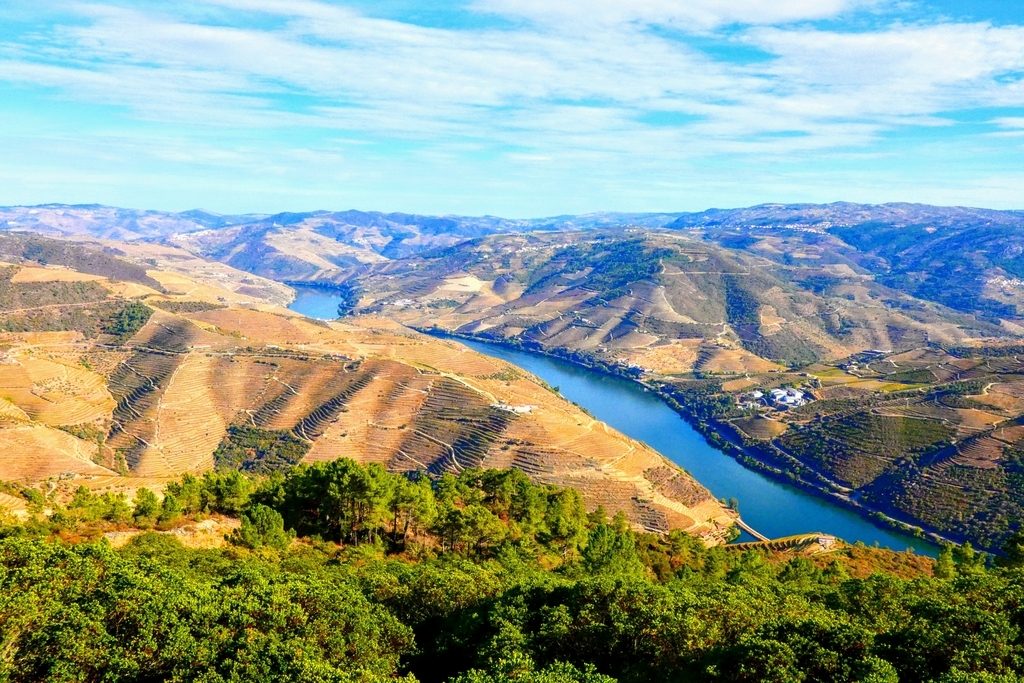
São Leonardo da Galafura
A high-altitude viewpoint offering one of the most famous vistas across the valley and river below.
Arrive early to photograph the terraced hills without other travelers.
How To Reach the Douro Valley When Assessing Is Douro Valley Worth Visiting
The Douro Valley is located in the Alto Douro Wine Region, Portugal. Most visitors reach the region from Porto via train, car, or boat along the Douro River.
Linha do Douro from Porto-São Bento to Pinhão
A4 and A11 motorways toward Peso da Régua
River cruise from Ribeira dock in Porto to Pinhão
Is Douro Valley Worth Visiting Regarding Costs and Entrance Fees?
The Douro Valley is a public landscape, meaning there is no general admission fee to enter the region. Costs for travelers instead hinge on individual winery tours, tastings, and private experiences.
A visitor pays 0 EUR for access to the landscape, with total costs depending solely on the specific wineries or services selected.
Opening Hours for Planning If Is Douro Valley Worth Visiting
The Douro Valley is a public landscape and remains accessible to visitors throughout the week. There are no gates or restricted access points to the region itself.
| Monday | 00:00–23:59 | Public access |
|---|---|---|
| Tuesday | 00:00–23:59 | Public access |
| Wednesday | 00:00–23:59 | Public access |
| Thursday | 00:00–23:59 | Public access |
| Friday | 00:00–23:59 | Public access |
| Saturday | 00:00–23:59 | Public access |
| Sunday | 00:00–23:59 | Public access |
Expert Tips for Those Deciding Is Douro Valley Worth Visiting
Navigating the region effectively requires specific logistical preparation beyond standard travel itineraries.
Book tastings in advance
Most quintas operate by appointment rather than walk-in, so confirm your visit at least 48 hours ahead. This ensures staff availability for private tours and avoids disappointment upon arrival.
Prioritize N-222 road segments
The N-222 highway provides specific vantage points along the river that larger tour buses cannot easily access. Drivers should exercise caution, as these roads are narrow and involve frequent sharp turns.
Pack sun protection
The valley terrain reflects significant heat, and shade is limited during vineyard tours. Wear high-factor sunscreen and bring adequate hydration even during shorter walking tours.
Plan for mobile limitations
Cellular reception fluctuates significantly within the deeper valleys and narrow ravines. Download offline maps of the Alto Douro Wine Region before departing your accommodation to ensure reliable navigation.
Check footwear choices
Vineyard paths are often steep, uneven, and covered in loose slate or gravel. Sturdy, closed-toe walking shoes provide the necessary grip and support for navigating these agricultural landscapes.
Check availability
Common questions about visiting the Douro Valley
Everything you need to know about is douro valley worth visiting