

Quick answer
Plan 4-5 days minimum for Porto and Douro Valley combined. Allocate two full days for Porto's Ribeira district, port wine cellars in Vila Nova de Gaia, and hilltop viewpoints. Reserve two days for the Douro Valley itself—one for estate tours and tastings, another for river cruises or a scenic train journey. A fifth day allows flexibility for deeper exploration or travel between regions without constant rushing.
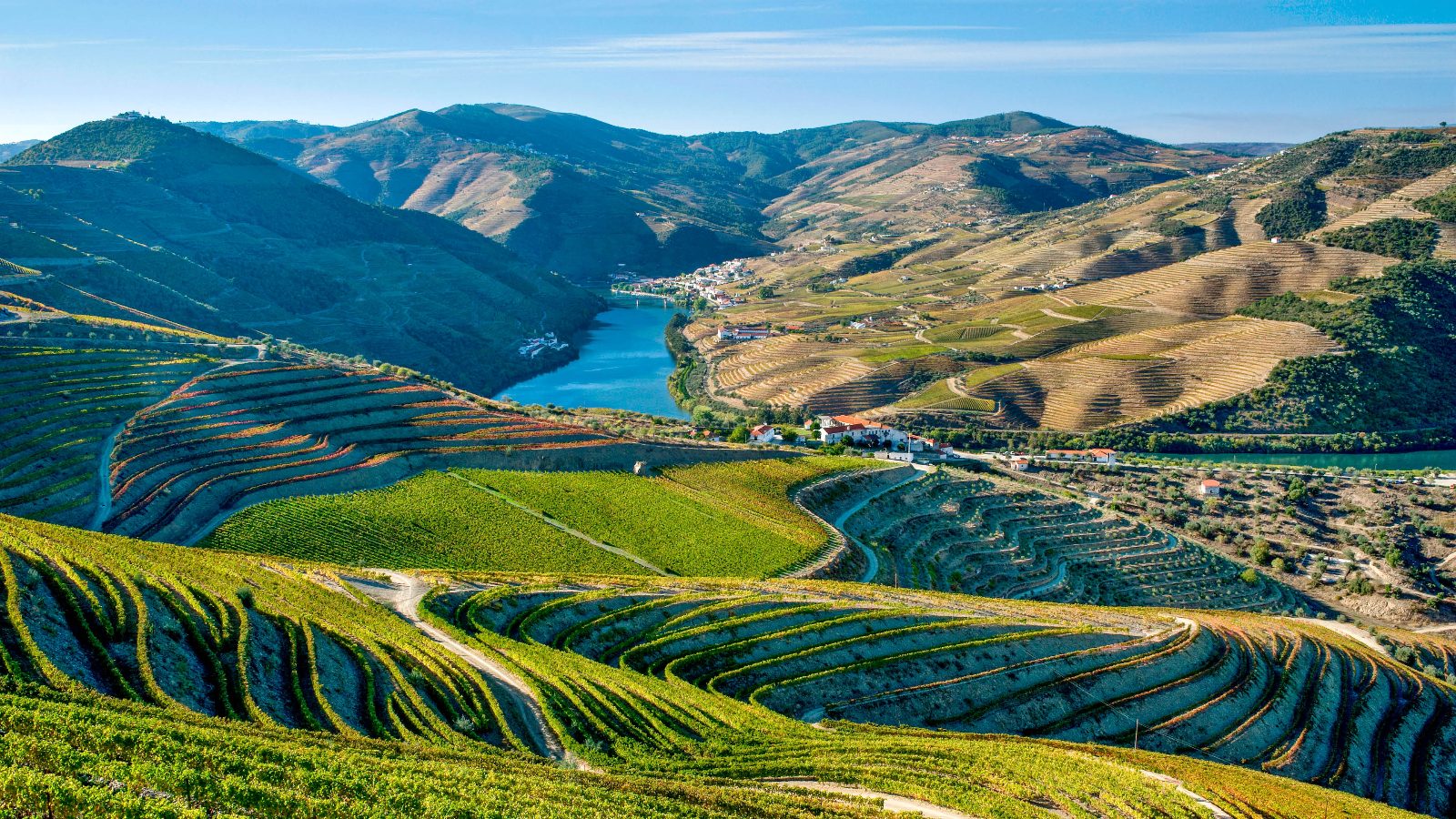
The Douro River runs 557 miles from Spain to the Atlantic, but the UNESCO-protected wine region occupies just 97 miles of its upper reaches. Most visitors anchor in Porto, a city built across granite cliffs where medieval alleys drop toward the Douro's tidal mouth. The wine valley proper begins 60 miles upstream, past the Marão mountains, where schist slopes climb 1,600 feet above the water. This geographic separation shapes how many days in Porto and Douro Valley you actually need. Porto absorbs time in unexpected ways. The historic Ribeira quarter alone holds 48 hours of walking: azulejo-paneled churches, the Lello bookshop's Art Nouveau staircase, and the six-tiered iron arches of Dom Luís I Bridge. Across the river in Vila Nova de Gaia, 30 port wine lodges line the waterfront, each offering cellar tours that run 60-90 minutes. Factor in meals at riverside tascas and evening fado performances, and two days evaporate. The Douro Valley operates on a different rhythm. Quintas—wine estates—scatter across three sub-regions: Baixo Corgo near Peso da Régua, Cima Corgo around Pinhão, and the remote Douro Superior. Estate visits require advance booking and typically last two hours including tastings. The valley's single-track railway follows the river for 78 miles, passing through 26 tunnels and across stone viaducts built in the 1870s. A full rail journey from Porto to Pocinho takes five hours one-way. River cruises, whether two-hour loops from Pinhão or full-day excursions, add logistical layers. Seasonal variables matter. September through October brings the vindima—grape harvest—when estates welcome visitors into working fermentation lagares. Summer heat in the valley regularly tops 38°C, limiting comfortable touring to early morning or late afternoon. Winter reduces ferry schedules and closes some quintas entirely. Spring yields green terraces and almond blossoms but unpredictable rain. Your Porto and Douro Valley travel length depends on depth versus breadth. Three days covers highlights at sprint pace: one day in Porto's core, one in the valley, one for transit and buffer. Five days permits breathing room: two full Porto days, two in the Douro with an overnight in Pinhão or Régua, and a travel day. Seven days adds the chance to explore lesser-visited estates in the Douro Superior or include a night in the baroque town of Lamego. The region rewards slow touring—tastings at family quintas, meals at village tascas, and unscheduled stops at miradouros overlook points cannot be rushed.
“The Douro Valley operates on a different rhythm—estate visits require advance booking and typically last two hours including tastings, while the valley's single-track railway follows the river for 78 miles through 26 tunnels.”
Recommended Duration: How Many Days in Porto and Douro Valley?
A combined Porto and Douro Valley trip works best with 4–5 days: 2 days in Porto for the city's historic center, riverside, and wine cellars, then 2–3 days in the Douro Valley for vineyard tours, river cruises, and estate tastings. Travelers short on time can compress this into 3 days (1.5 Porto, 1.5 Douro), though you'll sacrifice depth.
Explore Porto's Ribeira and Bridges
Walk the riverside quarter, cross the Dom Luís I Bridge for views, and visit a port lodge in Vila Nova de Gaia. Allow a full day to absorb the city's rhythm without rushing.
Porto's Historic Core
Tour the Clérigos Tower, Livraria Lello, and São Bento station's azulejo panels in the morning, then spend the afternoon in the Bolhão market area. This completes Porto's essential landmarks.
Transfer to Douro Valley
Drive or take the train to Pinhão (2–3 hours), settle into your base, and visit a nearby quinta for an introductory tasting. Afternoon arrival lets you enjoy the landscape at a relaxed pace.
Vineyard Estates and River Views
Book morning tours at two quintas—most last 60–90 minutes with tastings—then take a short Douro river cruise or drive the N222 scenic road. This day covers the valley's core experiences.
Deeper Douro Exploration
Visit a smaller, family-run estate or hike terraced vineyard trails near Peso da Régua. This extra day suits wine enthusiasts or those seeking quieter, less-touristed pockets of the region.
Best Time to Spend How Many Days in Porto and Douro Valley
The optimal period to explore Porto and the Douro Valley is during the shoulder seasons of spring and autumn, specifically April, May, September, and October. These months offer a balance of temperate weather and moderate crowd levels compared to the peak summer season.
Spring (April-May)
ModerateMild temperatures, 15°C to 22°C.
Vineyards are lush and green before the intense summer heat sets in.
Summer (June-August)
HighHot, often exceeding 30°C.
This period coincides with high tourist volume and requires advance planning for all activities.
Harvest Season (September-October)
Moderate to HighPleasant, 18°C to 25°C.
The grape harvest makes these months active and culturally significant for the wine region.
Weekday Mornings
Low—
Arrival between 09:00 and 11:00 helps avoid mid-day tour bus crowds and high temperatures.
Verdict: For the most efficient visit, plan for Tuesday to Thursday during May or October, and maintain the best arrival window of 09:00–11:00 to avoid mid-day crowds and peak heat.
Travel Logistics for How Many Days in Porto and Douro Valley
The Douro Valley is located in the Vila Real District, Portugal, and is most efficiently accessed via the Douro railway line from Porto or by car along regional roads.
Linha do Douro from Porto Campanhã to Peso da Régua/Pinhão
A4 and A24 motorways from Porto to the Douro Valley
River cruise departing from Porto Ribeira
Daily Operating Schedule for How Many Days in Porto and Douro Valley
The Douro Valley region is accessible daily to visitors. Please note that while the region remains open, individual estates and vineyards set their own operational schedules for tours and tastings.
| Monday | 00:00–23:59 | |
|---|---|---|
| Tuesday | 00:00–23:59 | |
| Wednesday | 00:00–23:59 | |
| Thursday | 00:00–23:59 | |
| Friday | 00:00–23:59 | |
| Saturday | 00:00–23:59 | |
| Sunday | 00:00–23:59 |
Admission Fees When Deciding How Many Days in Porto and Douro Valley
The Douro Valley region does not charge an entrance fee for visitors. Individual estates and vineyards operate their own pricing structures for wine tastings, cellar tours, and guided experiences.
A typical visitor pays 0 EUR for regional access, with total costs depending solely on the number of estates visited and selected tasting experiences.
Nearby Destinations for How Many Days in Porto and Douro Valley
Extending your stay beyond the minimum allows for exploration of historic towns and cultural landscapes adjacent to the Douro Valley. These locations complement the wine region by offering deeper insight into northern Portuguese heritage and architecture.
Lamego
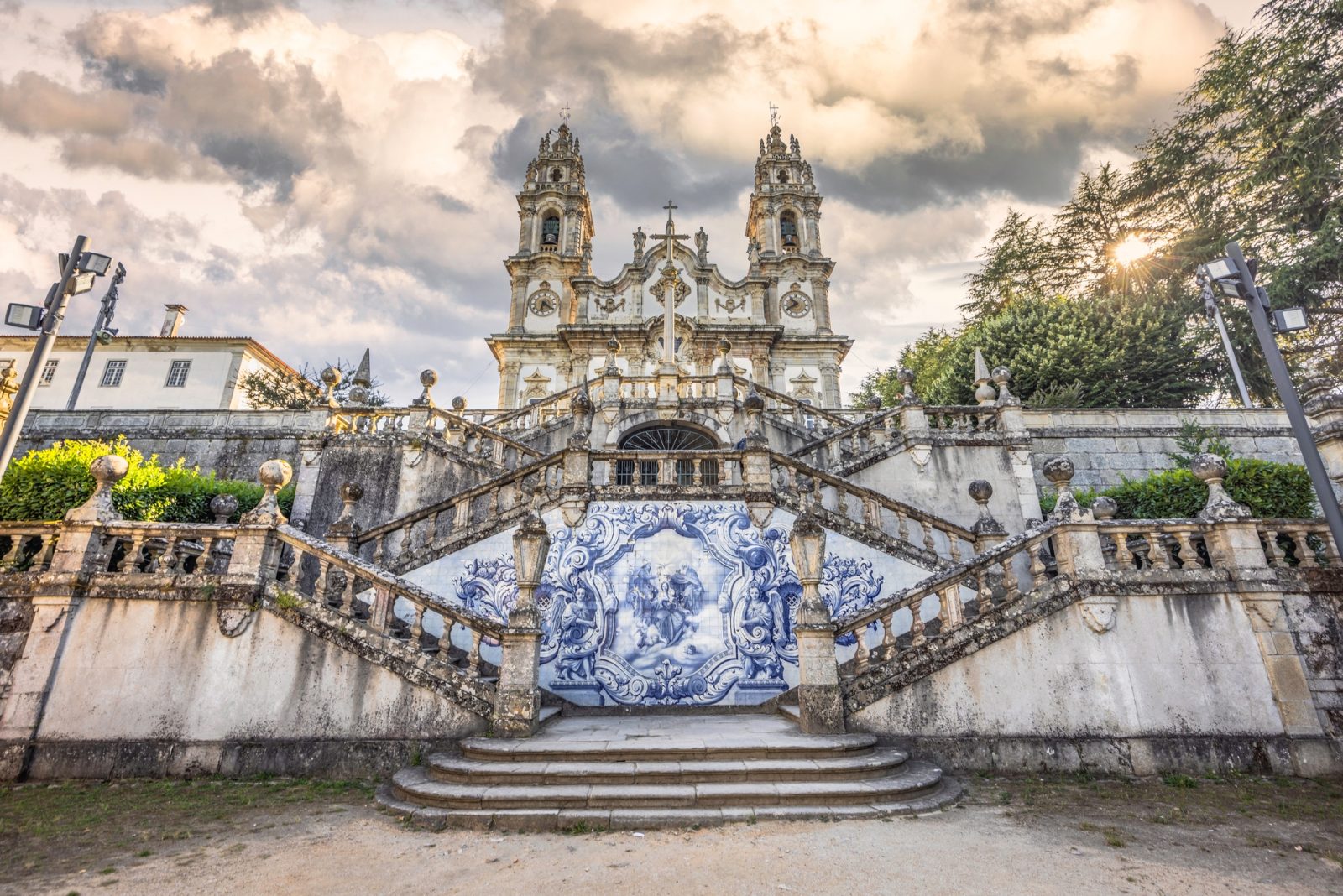
Home to the Sanctuary of Nossa Senhora dos Remédios, this city is known for its baroque staircase and historical connection to the region's winemaking history.
Peso da Régua
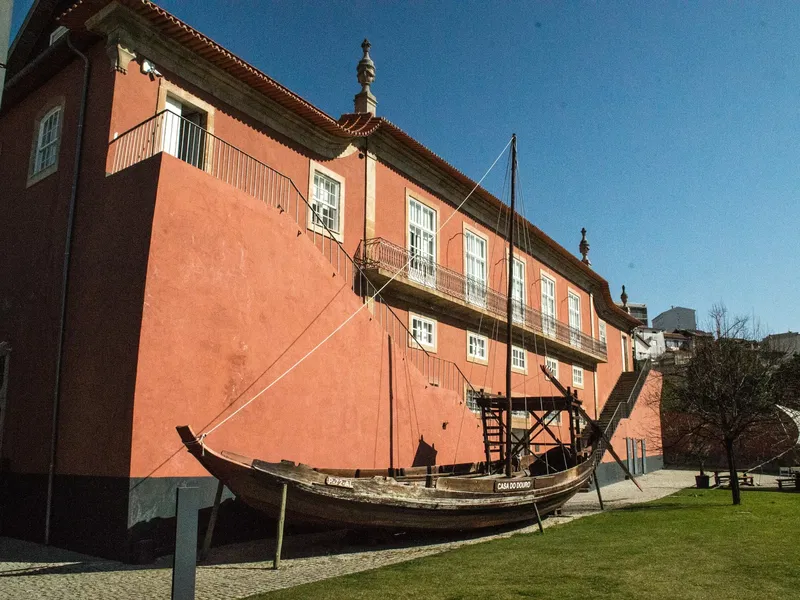
Serving as a central hub for the valley, this town offers access to the Douro Museum and historical river transport context.
Vila Real
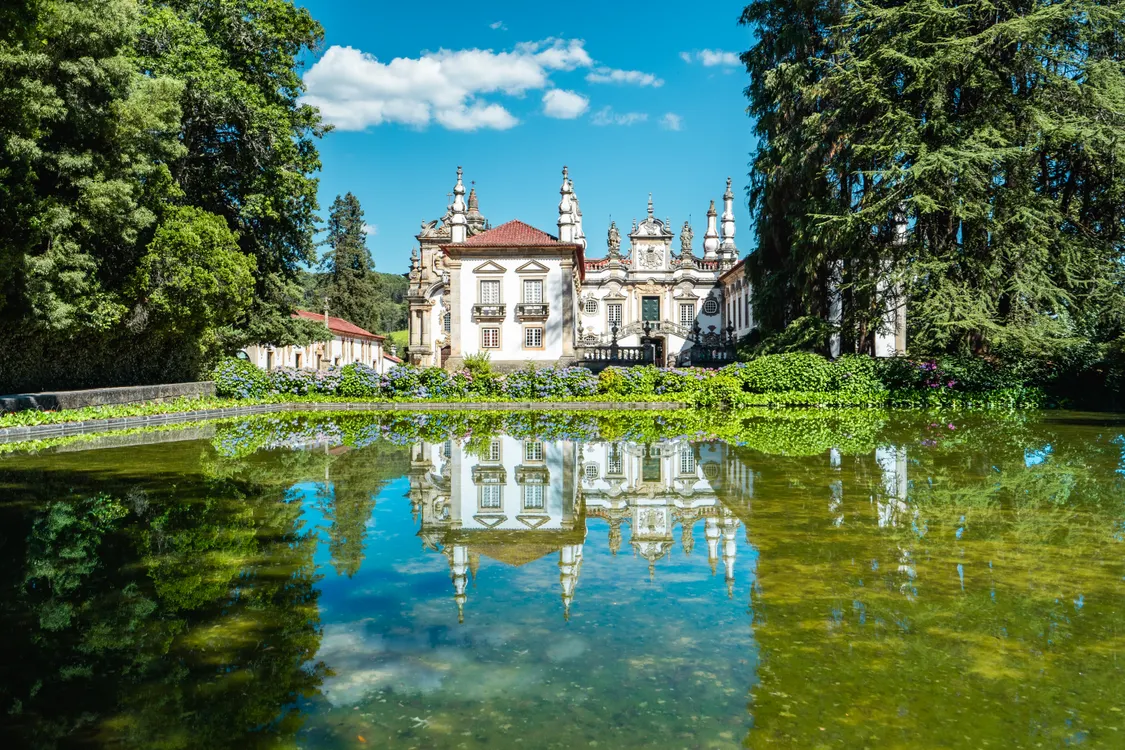
This city provides proximity to the Mateus Palace, featuring extensive gardens and traditional architecture that contrasts with the terraced vineyards.
Check availability
Frequently asked questions about visiting the Douro Valley
Everything you need to know about how many days in porto and douro valley