
Quick answer
The Douro Valley starts roughly 100 kilometers east of Porto, translating to a 90-minute to two-hour drive depending on your destination within the valley. Peso da Régua marks the valley's gateway at 100 km, while Pinhão—the heart of port wine country—sits 125 km from Porto. Train travelers cover the same distance in approximately two hours on the scenic Linha do Douro route, which hugs the riverbank through 26 tunnels and across stone viaducts.
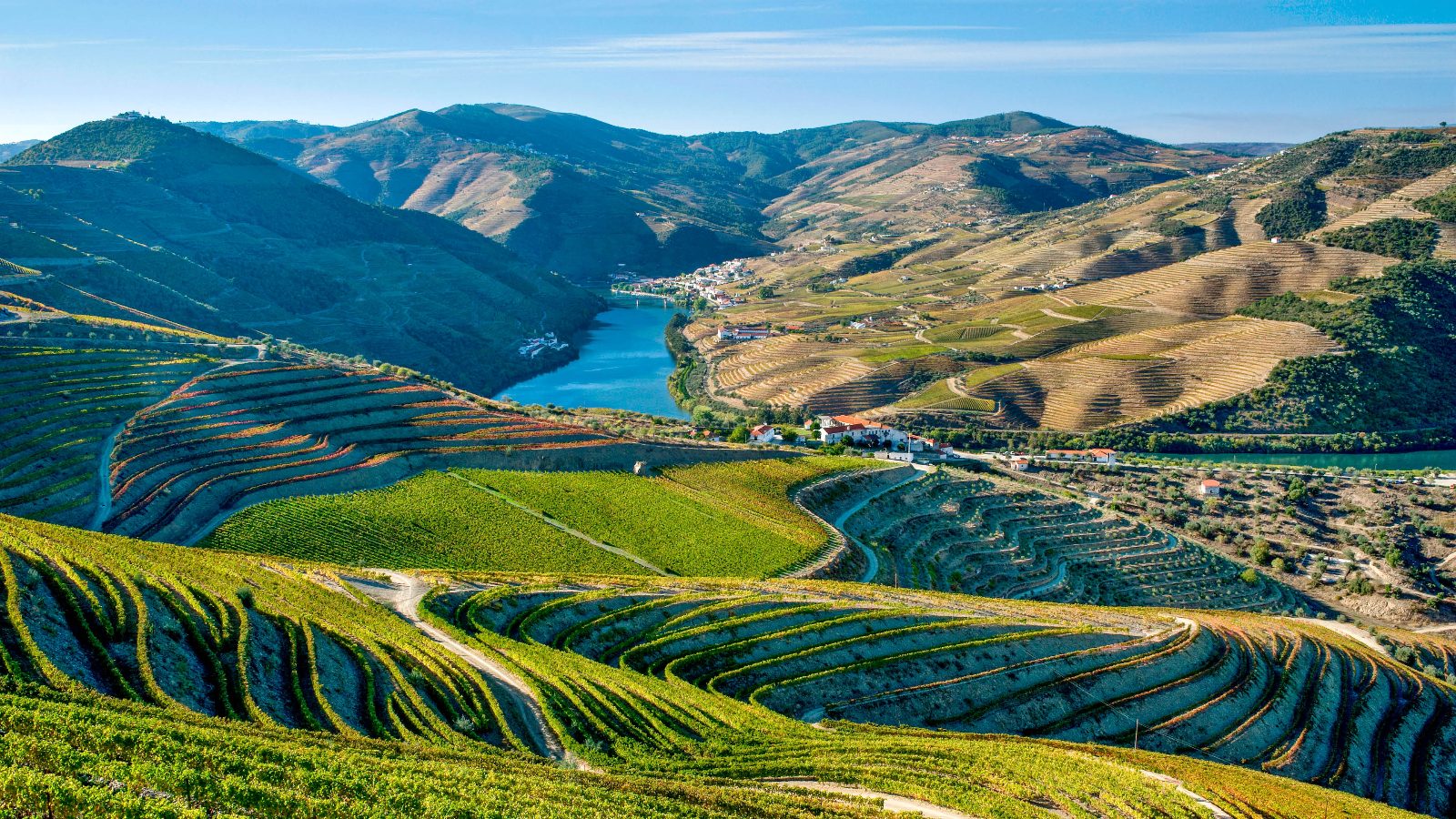
The Douro River drops 400 meters in elevation between Porto and the Spanish border, carving a steep-sided valley that holds 45,000 hectares of terraced vineyards. This topography explains why the distance from Porto to the Douro Valley feels longer than the kilometer count suggests—the roads and rail lines twist through granite hillsides, crossing the river repeatedly as they climb inland. Most visitors target three zones within the valley: Peso da Régua at 100 km serves as the administrative capital and transport hub; Pinhão at 125 km anchors the Cima Corgo subregion, home to the quintas that produce vintage port; and the remote Douro Superior stretches toward the Spanish frontier another 70 km beyond. A Porto to Douro Valley day trip typically focuses on the Régua-Pinhão corridor, keeping total driving distance under 250 km round-trip. The N108 riverside road delivers the iconic views—schist terraces stacked like amphitheater rows above the water—but averages 50 km/h due to switchbacks and village speed limits. The A4 motorway shaves 20 minutes off the journey but bypasses the valley floor entirely, depositing you at Régua's hilltop outskirts. Train schedules from Porto's São Bento station offer three morning departures between 07:09 and 09:09, arriving in Pinhão before midday. The return journey departs Pinhão at 17:57 or 19:02, allowing five to seven hours in the valley. River cruise passengers cover the same 100-kilometer stretch over eight to ten hours on the water, trading speed for deck views of the quintas and their whitewashed warehouses. Free entry to the Douro Valley region means no admission gates or ticket checkpoints—individual estates and tasting rooms charge their own fees, typically 10 to 25 EUR per person for tours that include three to five wine samples. Arriving between 08:00 and 10:00 positions you ahead of tour bus groups that converge on Pinhão's train station square by late morning. September through October sees the vindima harvest, when pickers fill wicker baskets and tractors haul grapes to the lagares—stone treading tanks still used at heritage quintas. The valley's microclimate runs five degrees warmer than Porto's coast, making shoulder-season visits more comfortable than midsummer afternoons when exposed terraces reflect heat off the schist.
“The Douro River drops 400 meters between Porto and the Spanish border, carving a valley that holds 45,000 hectares of terraced vineyards across three distinct wine subregions.”
How Far Is Douro Valley From Porto: Travel Routes and Transit
The Douro Valley is located in Northern Portugal, approximately 100 kilometers east of Porto. Access is most commonly achieved via rail, road, or waterway along the Douro River.
Linha do Douro from Porto-São Bento or Porto-Campanhã to Pinhão
A4 and A11 motorways toward Peso da Régua
Douro River cruise departures from Porto or Gaia
Rede Expressos from Porto to Peso da Régua or Pinhão
Planning Your Visit: How Far Is Douro Valley From Porto in Time
A comfortable day trip requires 10–12 hours from Porto including travel, though an overnight stay lets you explore multiple quintas without rushing. This framework assumes an 08:00–10:00 arrival in the valley to maximize daylight.
Arrive in Peso da Régua
Your first valley hub. Park near the riverfront and orient yourself with a quick walk along the Douro before heading deeper into wine country.
Morning Quinta Visit
Tour a family-run estate in the Pinhão area. Most tastings run 60–90 minutes; book ahead during harvest season (September–October) when estates are busiest.
Lunch in Pinhão Village
Riverside restaurants serve grilled meats and regional dishes. The village sits at the valley's scenic heart, surrounded by terraced vineyards rising steeply from the water.
Scenic Viewpoint Stop
Drive or walk to Casal de Loivos miradouro for panoramic views over the Douro's curves. A 15-minute stop is enough for photos and perspective on the landscape's scale.
Second Estate or River Walk
Visit another quinta for Port tasting, or stroll the Pinhão waterfront where historic azulejo tiles depict grape harvest scenes. Both options take roughly an hour.
Depart for Porto
Allow two hours for the return drive, accounting for slower evening traffic near the city. Day-trippers should leave by this window to avoid fatigue.
The Best Time to Travel When Asking How Far Is Douro Valley From Porto
The best arrival window for visiting the Douro Valley is 08:00–10:00, which allows you to bypass mid-day heat and large tour bus crowds in popular villages like Pinhão. Planning your visit during the shoulder seasons provides a balance of mild weather and manageable visitor levels.
September–October
High during harvestWarm, 20°C–28°C; active harvest season. Activity peaks across the region during these months.
April–May
ModerateMild, 15°C–22°C; vineyards are green and lush. This period offers pleasant temperatures for outdoor exploration.
Weekday mornings
Low crowd density—; The optimal daily timeframe to experience the landscape. Arriving early minimizes congestion at local sites.
Verdict: The best time to visit is during the shoulder months of April, May, September, or October, arriving between 08:00 and 10:00 on a weekday.
Costs and Fees: How Far Is Douro Valley From Porto in Financial Terms
The Douro Valley is a public region with no entrance fee for access. Financial requirements relate solely to visits to individual wineries, museums, or private estates.
A typical adult pays 0 EUR to enter the region, with additional costs determined by personal choices regarding winery or museum visits.
Operating Hours for Planning How Far Is Douro Valley From Porto
The Douro Valley region is accessible to visitors daily throughout the week. While the area remains open at all times, individual establishments maintain their own specific schedules.
| Monday | 00:00–23:59 | Open access |
|---|---|---|
| Tuesday | 00:00–23:59 | Open access |
| Wednesday | 00:00–23:59 | Open access |
| Thursday | 00:00–23:59 | Open access |
| Friday | 00:00–23:59 | Open access |
| Saturday | 00:00–23:59 | Open access |
| Sunday | 00:00–23:59 | Open access |
Check availability
Frequently asked questions about visiting the Douro Valley
Everything you need to know about how far is douro valley from porto