
Quick answer
Trains from Porto to Douro Valley depart hourly between 06:00 and 20:00 from Campanhã station, with journey times ranging from 2 hours to Peso da Régua to 3 hours for Pinhão and Pocinho. Regional services operate seven days a week year-round. Morning departures between 07:00 and 09:00 place travelers in vineyard villages before mid-day heat, allowing a full afternoon for tastings and return travel before evening.
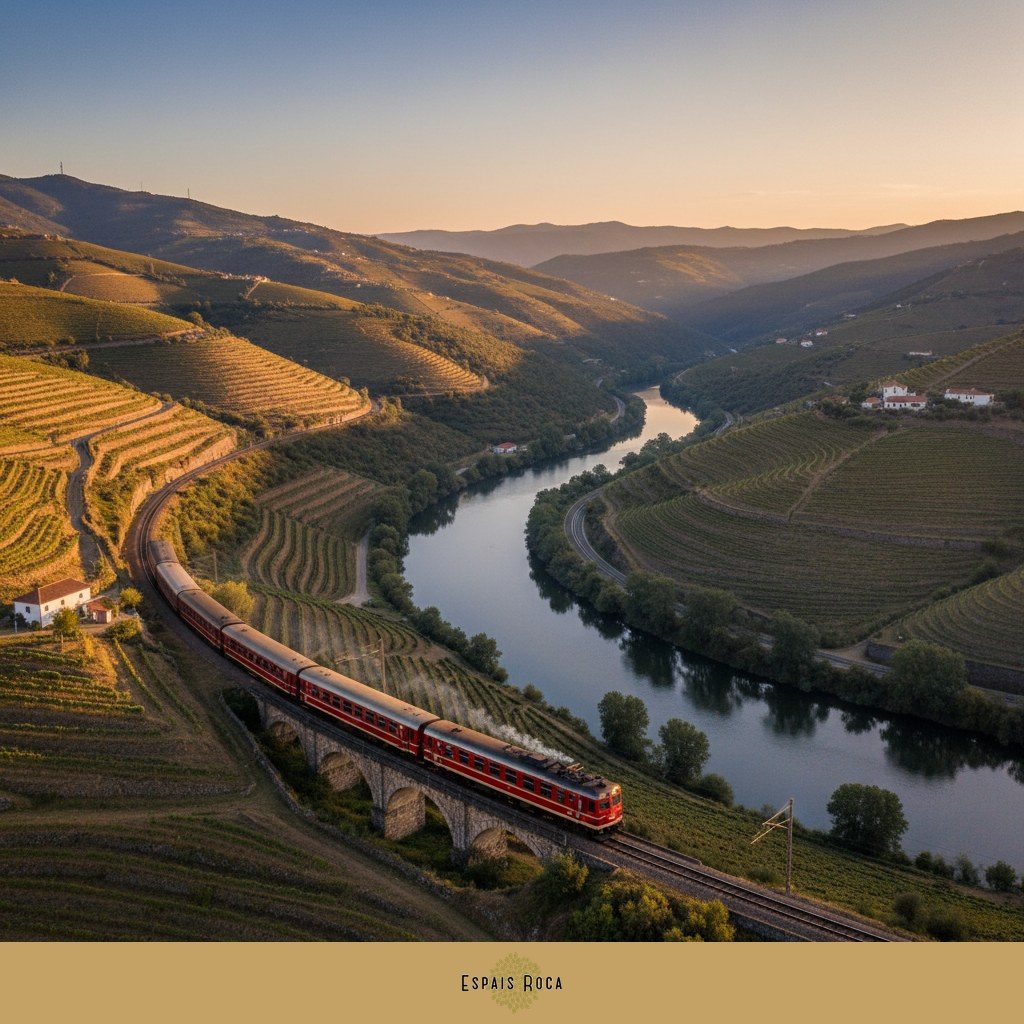
The Linha do Douro operates as a commuter and tourist artery, which means frequency favors practicality over precision tourism timing. Trains leave Porto-Campanhã every 60 to 90 minutes during daylight hours, with no advance reservation required for regional services. The 06:05 departure reaches Peso da Régua by 08:15 and Pinhão by 08:50, delivering passengers into the heart of wine country while estates are opening their doors. Journey duration depends entirely on your chosen destination along the valley. Peso da Régua, the administrative hub, sits two hours from Porto and serves as the valley's main transport interchange. Pinhão, surrounded by quintas and the iconic azulejo-tiled station, requires an additional 30 minutes. The terminus at Pocinho extends the ride to three hours, passing through increasingly remote terrain where the river narrows and cultivation gives way to scrubland. Most visitors alight at Pinhão or Régua, where the concentration of estates and river cruises justifies the porto to douro valley train time investment. The schedule posted at CP counters and the official site remains the single reliable source, as seasonal adjustments occur without fanfare. Summer months occasionally add an extra mid-morning service, while winter reduces frequency slightly after 18:00. Tickets cost between 10 and 15 EUR one-way depending on distance, purchased on-site or via the CP app. The railway hugs the north bank for much of the route, so seating on the right-hand side secures unobstructed views of terraced slopes and quintas clinging to hillsides. Return services run until approximately 19:30 from Pinhão, giving day-trippers a comfortable margin to explore two or three estates before heading back to Porto-Campanhã by nightfall.
“The railway hugs the north bank for much of the route, so seating on the right-hand side secures unobstructed views of terraced slopes and quintas clinging to hillsides.”
Typical Porto to Douro Valley Train Time and Daily Schedule
This schedule suits travelers looking to experience both the train journey and a few hours exploring Douro Valley villages. The round trip requires a full day, typically 10–12 hours from Porto departure to return.
Depart Porto Campanhã Station
Board the regional line toward Peso da Régua or Pocinho; the journey to Peso da Régua takes approximately 2 hours through terraced vineyards along the river. Arrive early to secure window seats on the right side for valley views.
Arrive and Explore Peso da Régua
Disembark at Peso da Régua, the gateway to the valley's wine region, and walk the riverside promenade or visit a nearby quinta. Allow 2–3 hours before catching a return or continuing deeper into the valley.
Optional: Continue to Pinhão
Extend the journey another 30 minutes to Pinhão, a smaller village surrounded by steep vineyards and historic quintas. The station itself features traditional azulejo tiles depicting the wine harvest.
Lunch and Village Walk
Eat at a local tasca in Pinhão or Régua, then explore the village center and riverfront. Most restaurants serve regional dishes; service can be slow during peak hours.
Return Train to Porto
Board the return regional service from Pinhão or Régua back to Porto Campanhã. Departure frequency drops in late afternoon, so confirm the schedule in advance to avoid long waits.
Accessing the Porto to Douro Valley Train Time and Station Details
The rail journey to the Douro Valley begins at Estação de Porto-Campanhã, the primary hub for regional departures. Passengers should verify specific train times and platform details through the official Comboios de Portugal website.
Linha do Douro from Porto-Campanhã station
Lines A, B, C, D, E, or F to Campanhã station
Direct transfer to Estação de Porto-Campanhã
Understanding Porto to Douro Valley Train Time and Travel Costs
Access to the Douro Valley region is free, meaning there is no entry fee for visitors. However, travelers must purchase train tickets separately to reach the destination.
A typical adult pays only for the required train fare, which varies based on the specific route and distance traveled.
Essential Prep for Your Porto to Douro Valley Train Time Journey
Complete these steps before departure to avoid delays and make the most of your valley time.
-
Book train tickets in advance — CP Comboios sells out on weekends and summer mornings.
-
Charge your phone fully — You'll need it for mobile tickets, photos, and village navigation.
-
Pack water and snacks — Limited dining options exist between Porto and smaller valley stops.
-
Wear comfortable walking shoes — Stations and vineyard paths involve uneven terrain and slopes.
-
Check return train schedules — Last departures from Régua and Pinhão leave by early evening.
-
Bring a light jacket — Morning trains and valley microclimates can be cooler than Porto.
-
Download offline maps of the valley — Mobile signal weakens in rural stretches between villages.
Check availability
Common questions regarding porto to douro valley train time
Everything you need to know about porto to douro valley train time